
Planning a Trip to Tanzania?
Our team is always here to help
Kilimanjaro Packing List
A complete gear and clothing guide for climbing Mount Kilimanjaro
What Do You Need to Climb Kilimanjaro
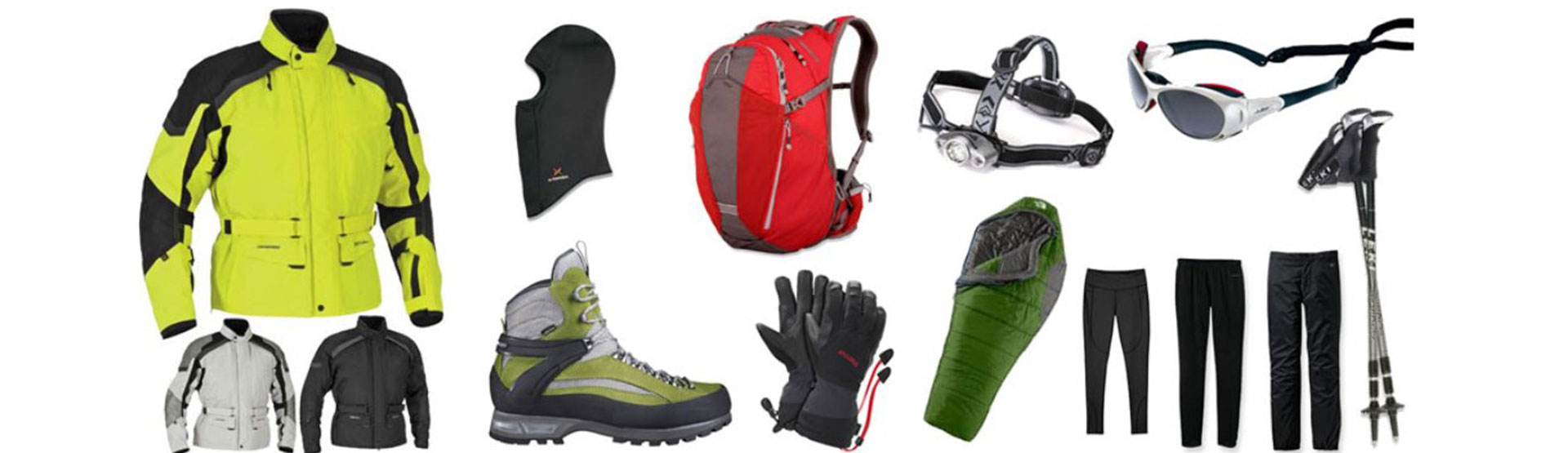
Climbing Mount Kilimanjaro requires careful preparation due to the mountain’s rapidly changing climate zones — from warm rainforest at the base to arctic conditions at the summit. Temperatures can range from +25°C to -20°C. A proper layering system and quality equipment are essential for comfort, safety, and summit success.
Planning a Trip to Tanzania?
Our team is always here to help
Clothing – Layering System (Highly Recommended)
Layering allows you to regulate body temperature efficiently.
Base Layers (Moisture Management)
These should wick sweat away from your skin and dry quickly.
2–3 long-sleeve thermal tops (merino wool or synthetic)
2 thermal bottoms
2–3 moisture-wicking trekking shirts
Quick-dry underwear
Sports bras (for women)
Avoid cotton, as it retains moisture and increases risk of cold-related discomfort.
Mid Layers (Insulation)
These retain body heat.
1–2 fleece jackets or pullovers
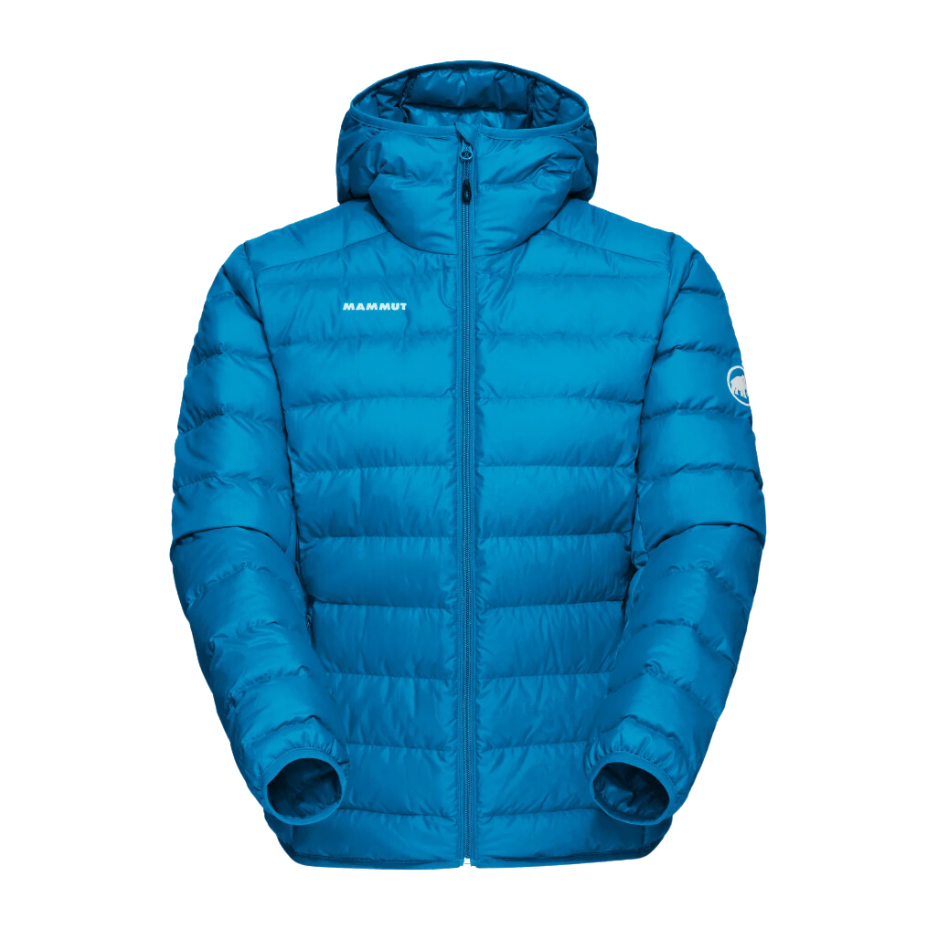
1 insulated jacket (down or synthetic)
Softshell jacket (optional for windy conditions)
Outer Layer (Protection from Wind & Rain)
Weather can change quickly at altitude.
Waterproof, breathable jacket (Gore-Tex or equivalent)
Waterproof trousers
Poncho or rain cover (optional)
Summit Night Clothing (Critical)
Summit night is the coldest and most demanding part of the climb.
Heavy insulated down jacket
Thermal base layers (top & bottom)
Warm trekking trousers
Insulated gloves (plus liner gloves)
Warm beanie hat
Neck gaiter or buff
Balaclava (optional)
Thick wool socks
Temperatures at Uhuru Peak can drop to -10°C to -20°C.
Footwear
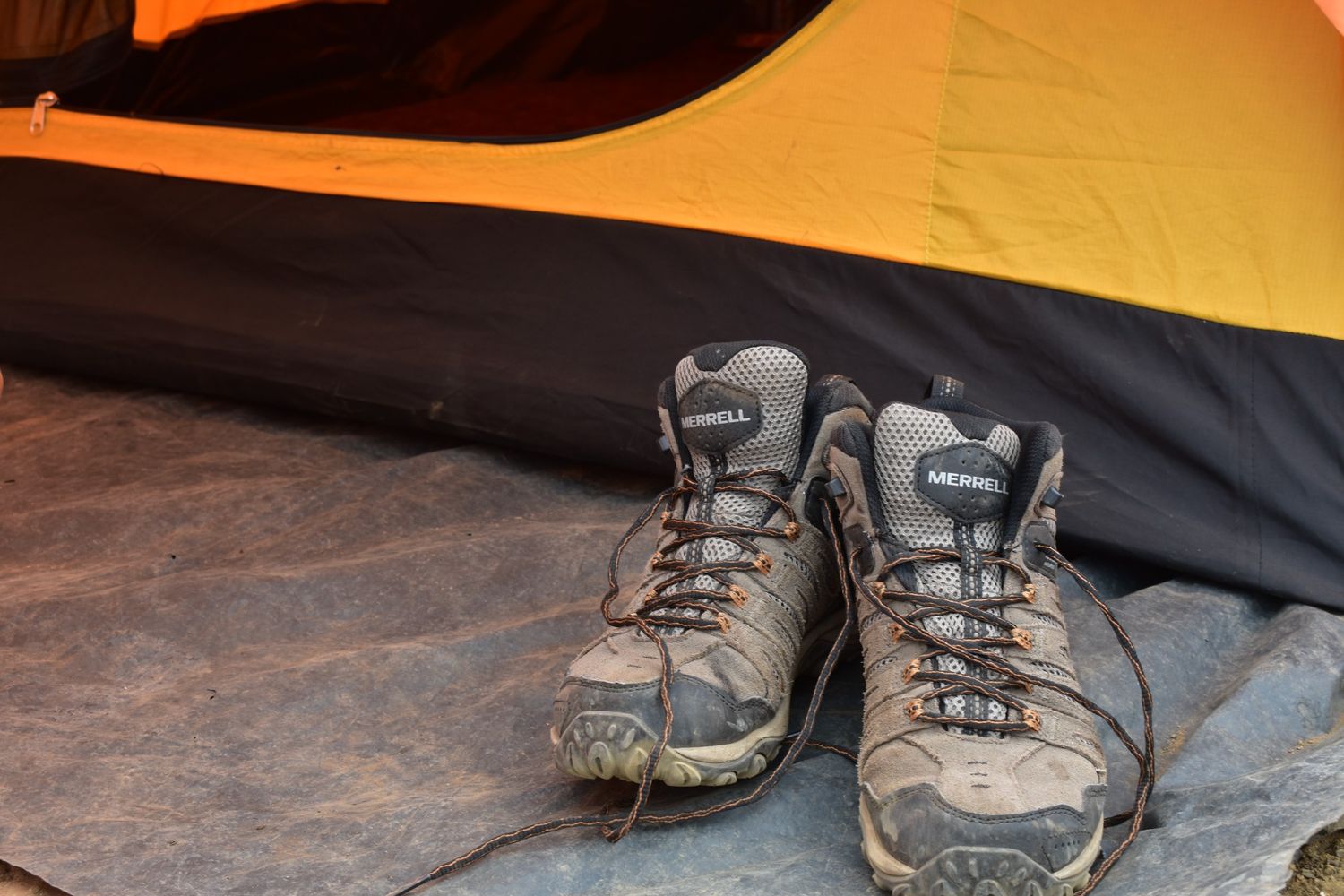 Proper footwear is crucial for comfort and injury prevention.
Waterproof hiking boots (well broken-in)
3–4 pairs quality hiking socks
1 pair thick summit socks
Lightweight camp shoes (sandals or trainers)
Gaiters (recommended during wet or dusty conditions)
Never attempt the climb with new, untested boots.
Bags & Storage
- Duffel bag (maximum 15kg; carried by porters)
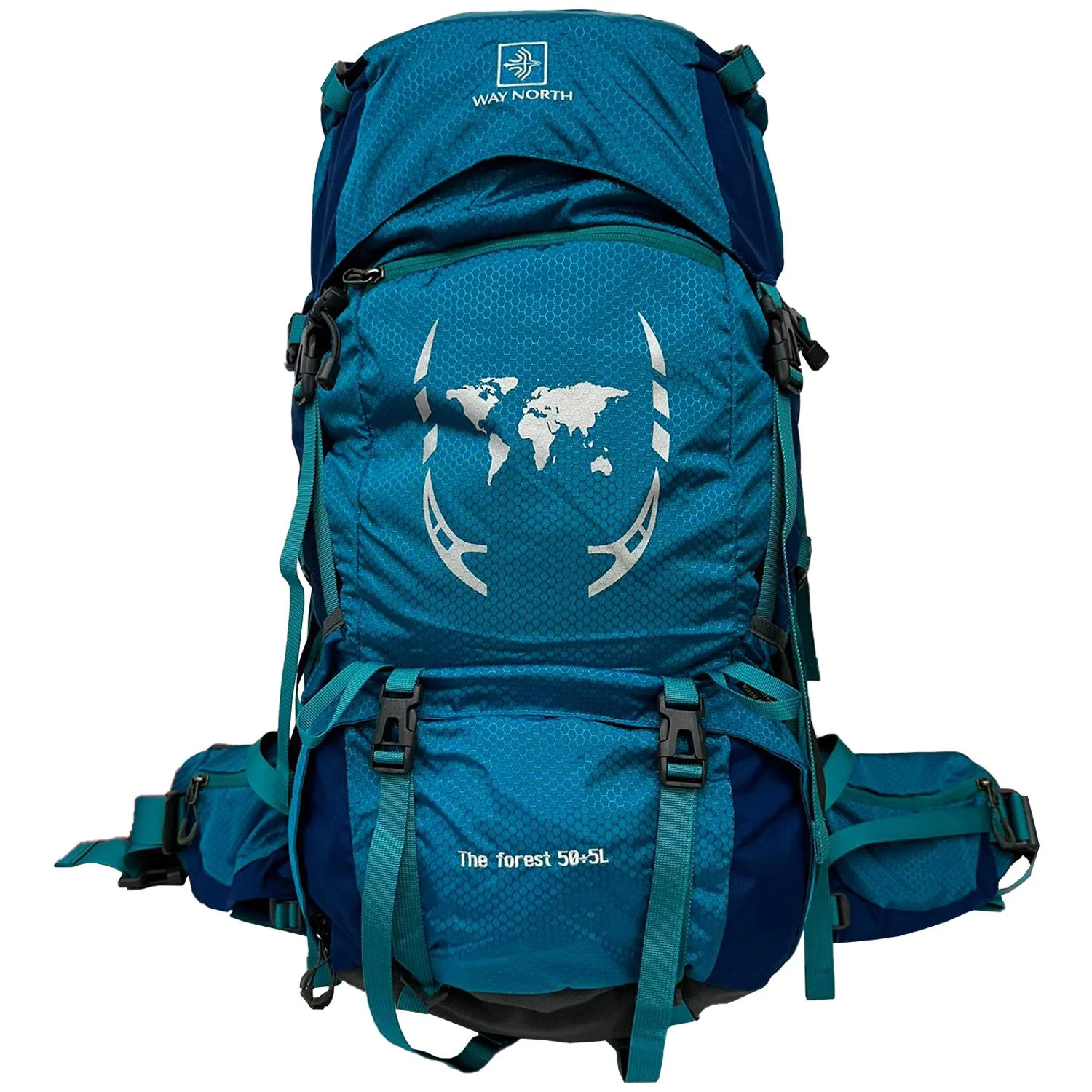
Daypack (20–35L) with good hip support
Rain cover for daypack
Dry bags or waterproof liners
Your daypack should carry water, snacks, camera, rain jacket, and personal essentials.
Hydration & Nutrition
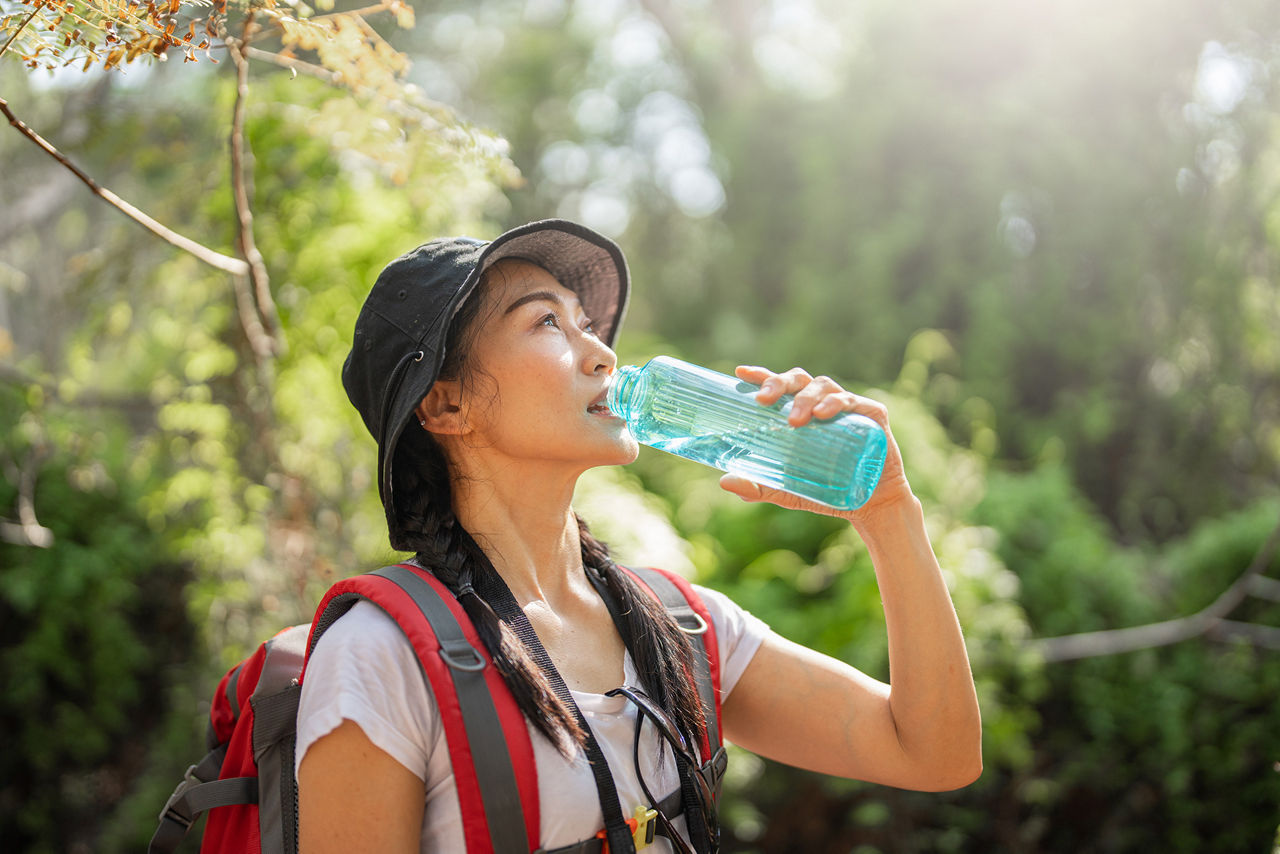
Hydration supports acclimatization.
2–3 liters water capacity (hydration bladder or bottles)
Electrolyte tablets or powder
Energy snacks (protein bars, nuts, chocolate, energy gels)
You should aim to drink at least 3 liters per day.
Sleeping Gear
4-season sleeping bag (rated -10°C to -15°C)
Sleeping bag liner (optional for added warmth)
Personal & Health Items
- High SPF sunscreen (SPF 30+)
- Lip balm with SPF
- UV-protection sunglasses
- Personal medications
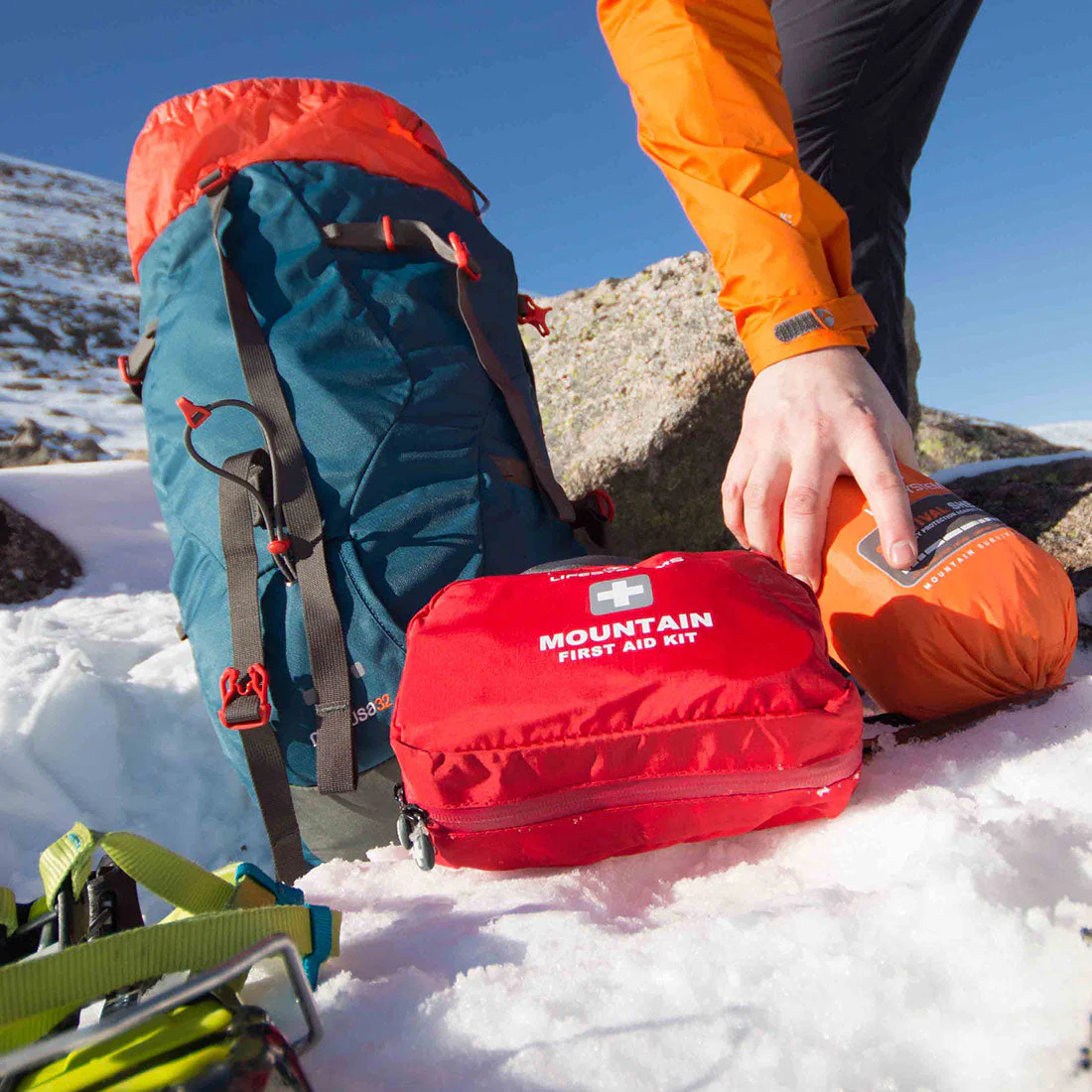
- Basic first aid kit
- Wet wipes
- Hand sanitizer
- Small toiletries kit
- Headlamp (with spare batteries)
- Power bank
- Toilet paper
- Small quick-dry towel
Consult your doctor about altitude medication if necessary.
Optional but Recommended
Trekking poles (strongly recommended for descent)
Knee brace (if needed)
Camera with spare batteries
Blister treatment kit
Lightweight thermos flask
Important Notes
- Test all gear during training hikes before arrival.
- Avoid overpacking — every item should serve a purpose.
- Weight limits apply to porter bags (usually 15kg).
- Quality gear significantly improves comfort and safety.
Popular Questions For Mount Kilimanjaro Trekking
Do I need prior climbing experience to trek Mount Kilimanjaro?
No technical climbing experience is required. Kilimanjaro is a trekking peak, and success depends mainly on fitness, acclimatization, and a positive mindset.
Which route has the highest summit success rate?
Routes with longer acclimatization, such as Lemosho, Machame, and the Northern Circuit, generally offer higher success rates.
How fit do I need to be to climb Kilimanjaro?
You should have good physical fitness and be comfortable hiking for several hours a day. Regular cardio training and hiking practice before the climb are strongly recommended.
What is the best time of year to climb Kilimanjaro?
The best months are January to March and June to October, when weather conditions are more stable and rainfall is minimal.
How many days are recommended for a successful summit?
We recommend at least 7 days on the mountain to allow proper acclimatization and increase summit success.
What is altitude sickness and how is it managed?
Altitude sickness occurs when the body struggles to adapt to high altitude. Our itineraries include gradual ascent, acclimatization days, regular health checks, and trained guides to manage symptoms safely.
How far in advance should I book my climb?
We recommend booking at least 2–3 months in advance, especially during peak seasons.
What equipment do I need for the trek?
You will need proper trekking gear including hiking boots, warm layered clothing, a down jacket, sleeping bag, and trekking poles. A full packing list will be provided after booking.
Are guides and porters mandatory?
Yes. Tanzanian regulations require all climbers to be accompanied by a licensed guide and support team, including porters and a cook.
What kind of food is served during the trek?
Fresh, nutritious meals are prepared daily by our mountain cooks, designed to support energy and acclimatization.
How cold does it get on the mountain?
Temperatures at the summit can drop to –10°C to –20°C, especially at night. Proper cold-weather gear is essential.
Can dietary requirements be accommodated?
Yes. Vegetarian, vegan, gluten-free, and other dietary needs can be arranged with advance notice.
What happens if I cannot reach the summit?
Your safety comes first. If you are unable to continue due to health reasons, the guide will arrange a safe descent and provide full support.
Is travel insurance required?
Yes. Travel insurance covering high-altitude trekking and emergency evacuation is mandatory.
Need Help Choosing the Perfect Tour? Let’s Guide You.

Chat online
Chat with our team for quick answers, expert advice, and personalized support – we’re here to help!

Schedule a call
Schedule a call with our team for personalized travel planning and expert guidance at your convenience.

Call us
Call us for quick assistance, expert advice, or to start planning your unforgettable Tanzania adventure.
People Love Us
Memories Shared by Those Who Lived Them
Verified A Dream Safari Experience – Perfect from Start to Finish We just returned from the most unforgettable 3-day safari with African Reflections, and we honestly couldn’t have asked for a better experience. From the moment we were picked up to the final goodbye, everything was seamless, exciting, and incredibly special.Our guide, Richy, was the heart and soul of our trip. His passion for wildlife and the land is truly inspiring. He’s not only incredibly knowledgeable (we learned so much from him!) but also professional, kind, and made us feel like part of the family from the get-go. His eye for spotting animals was amazing — we saw everything we hoped for and more!The lodges we stayed in were absolutely stunning — far beyond our expectations. Each one felt luxurious and intimate, perfect for our honeymoon. It felt like every detail had been thoughtfully considered to make our stay extra special.Richy went above and beyond in ways we’ll never forget — surprising us with a birthday cake for my husband and arranging romantic honeymoon touches that made us feel so valued and celebrated. It’s those little personal touches that set African Reflections apart.If you’re considering a safari in Tanzania, look no further. This was the trip of a lifetime and we can’t recommend African Reflections — and Richy — highly enough. Thank you for making our honeymoon truly magical!Posted onVerified Incredible safari journey! The best experience we ever had. I've been in many places, with many different guides, and Rich from African Reflection Tours is a different league. Me and my son (18), spent with Rich 8 days in a safari journey (aka game driving - looking for the wild animals). Rich is a real professional, knows all roads and places by heart, took us to extremely special spots, arranged all lodges for us, came with a clean jeep and a professional uniform every day, surprised us with field tasty lunches, was attentive to our needs and requirement. And most importantly, did it all in a friendly and caring manner, always smiling. This is the best experience we ever had, and by far! We saw so many new exciting cultures, and many wild animals. Rich becmae a friend of ours. We will keep in touch. And if it wasn't clear so far - we highly recommend on Rich. Dear Rich - asante sana from both of us on an incredible experience we will always remember.Posted onVerified Another Awesome Safari Asante sana Richard for our second awesome safari and birding adventure with you. We had such a great birding and gaming safari experience with you last year that we had to do it again. Richard, was professional, friendly and attentive to what we wanted to see and learn from our safari. We noted that every day, Richard was punctual, professionally dressed , arriving in a clean and tidy jeep. Our safari may have been bit of a detour from the proverbial tracking of the big 5. We are birders , so, with Richard’s ornithological expertise, we collaborated in finding the feathered “gems” along the safari trail, while also looking for animals. We encountered a Vitelline Masked Weaver starting his nest building duties from a tree branch, plucking reeds from below, bringing them to the branch, weaving them with his bill, shaping what would become a gourd type house around his body. We were able to identify 140 species of birds, thanks to Richard’s expertise. We both felt that our birding knowledge increased immensely from this trip. Thank you, Richard !Another highlight of our trip was witnessing a Wildebeest calving, “cheering on” the calf, wobbling his way into a new life. Can’t forget the lioness, who summoned her rambunctious cubs from the bushes, leading them across water, gently nudging them along or picking them up by the scuffs of their necks- with utmost patience. What a mom !WE WILL BE BACK !!!Posted onVerified They're awesome! Richard was amazing and we'd totally recommend him and the company to anyone! We're already trying to plan our next trip!Posted onVerified An Unforgettable Honeymoon Life-changing. Unforgettable. I simply can't say enough. My wife and I chose to fulfill a lifelong dream of going on an African Safari for our honeymoon and all our expectations and hopes were not only met but far exceeded. We originally had looked into using a Western tour company, however were advised by friends to work with locals as to better support the domestic economy- and we were so happy with our decision.From the moment we began booking- the process was easy, informative, and very secure. We were guided towards a tour, region and amount of time that best suited our interests and budget, and were provided a level of familiarity with the country that the non-Tanzanian companies we spoke to simply did not have.Then when we finally arrived- that's where the fun really began. We could not have asked for a better time in Tanzania, and it was all due to the wonderful and thoughtful hard work put in by our guide Richard. He took great care of us from the moment we met, and made sure that our every need, wish and interest were addressed. Richard is so clearly passionate about wildlife and what he does- and because of his expertise and knowledge we were able to see all of the Big 5, the Great Migration Wildebeest crossing across the Mara river, as well as tons of other animals moving about in their natural habitat. Richard always seemed to know exactly where to go, and could answer any question we had both about the animals as well as the local culture. Furthermore he made sure we were comfortable and happy as we celebrated our honeymoon- and most importantly he was personable, friendly and deeply kind. In the end, we felt that not only did we experience an unforgettable vacation, but that we also left with a dear new friend.So thank you so much Richard for one of the most incredible trips of our lives! If anyone is considering a Tanzanian Safari- Richard is the one!Posted onVerified Incredible Honeymoon Experience We did a safari tour with Richard in September 2023 for our honeymoon. It was such an incredible experience made even more special by Richard’s care to detail and passion for the animals. Every day we saw so many different birds, animals and reptiles. Richard had so much knowledge on every single one. He made us feel so comfortable and was so kind to us. Highly recommend his tour and getting to see the beautiful Tanzania!Posted onVerified Highest recommendation possible for Rich at African Reflection Tours. You will have an incredible safari. This Fantastic safari guide makes all the difference. Rich shares his knowledge and experience from dawn til dusk. He knows and respects all the animals and their ecosystems. Rich makes the trip very exciting, while he is safe and knows all the trails, and backroads to ensure you are able to see every animal. Rich is very organized and dedicated to making sure every detail is covered so you have a wonderful safari.Posted onVerified Best trip of my life We had the time of our lives. It was such a beautiful experience my family and I will never forget! Thanks to our guide we learned so much and also we gained a family friend. I would recomend this company and experience to everyone! 😍Posted onVerified Safari We have done 8 days safari with Rich and had the best time!. Everything was super organised, he has a lot of knowledge about the animals, the food was great and he took care of everything we needed. Very recommended!!Posted onVerified The best safari time Rich is the perfect guide ! He has a lot of knoledge about animals, his an expert ! Very good driver he knows all the roeds, drive carfully ! His funny, happy alaways smile and alaways in good vibe ! His the best !Posted on