Kilimanjaro Training Guide

Everything You Must Know to conquer your hike

Training for Kilimanjaro – Do I need to be an Olympic athlete?

Do I need to be an Olympic athlete?

Being physically fit and training properly for Kilimanjaro is extremely important, but it’s only part of the preparation. A more important question is: how well prepared are you to summit Africa’s highest mountain? Successful climbing requires more than fitness alone. You must carefully consider several key factors, including proper training, the right equipment, detailed planning, and good nutrition.

Preparation before trekking Kilimanjaro

Research your destination thoroughly and understand the specific route you’ll be taking. Identify the essential gear you truly need instead of packing unnecessary items. Be familiar with everything you bring and know how to use it properly. Avoid carrying equipment just because it might come in handy. Test your gear during training hikes beforehand—if something feels uncomfortable or frustrating at home, it will likely be even worse on Kilimanjaro.

What gear to get for Kilimanjaro

When purchasing hiking boots, make sure you wear them in well before your climb. Breaking them in on the mountain can cause painful blisters and turn your trek into an uncomfortable experience.

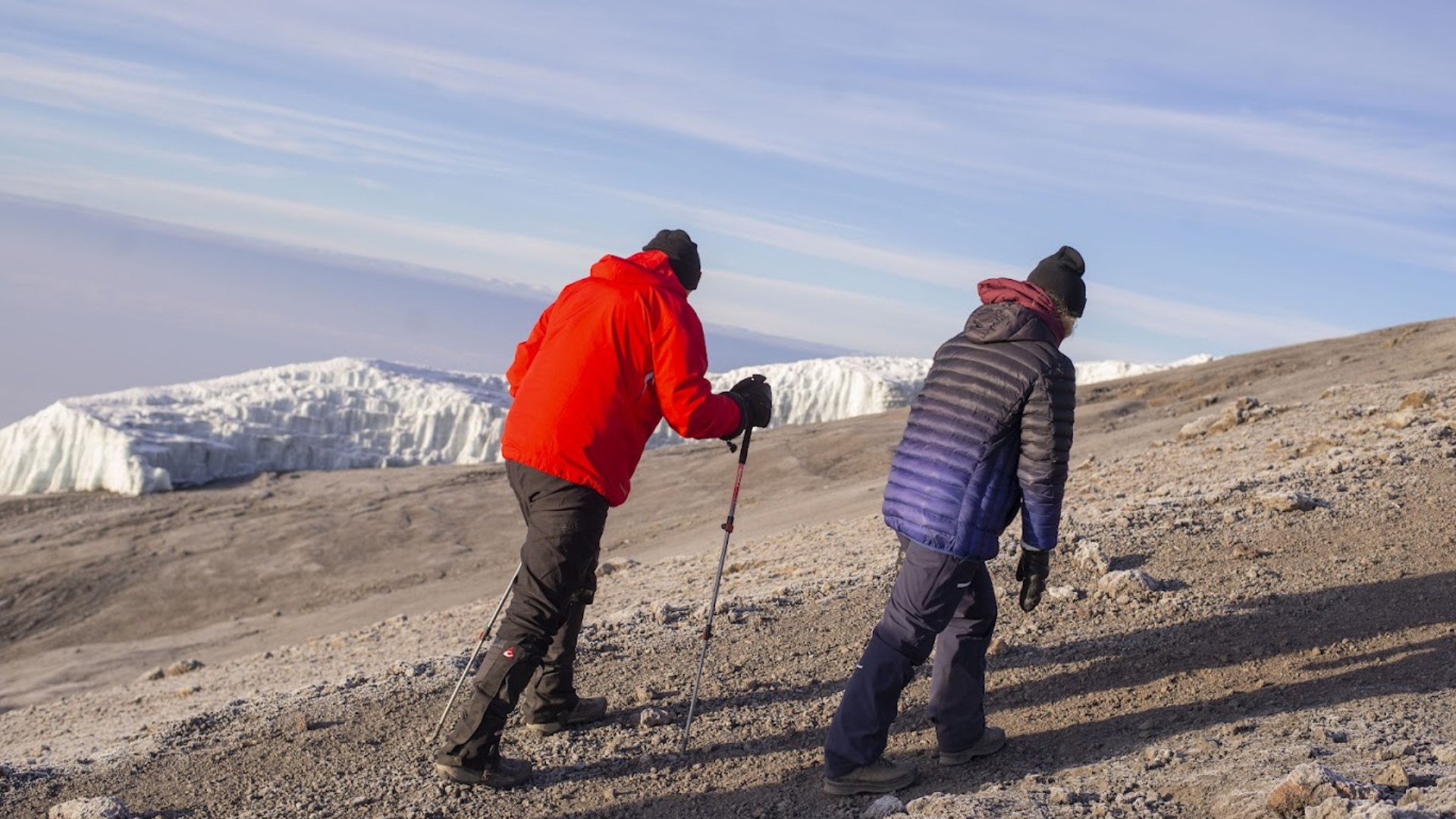
Trekking poles are highly recommended, especially for summit night and during the descent. Ensure they are adjusted correctly to your height and practice using them on training hikes, as they require a bit of technique to use effectively.

A properly fitted daypack with strong hip and shoulder support is essential for comfort throughout the climb. If you’re unsure about sizing or fit, visit a reputable outdoor gear shop where professionals can help you choose and adjust the right equipment.
Training for the body and mind

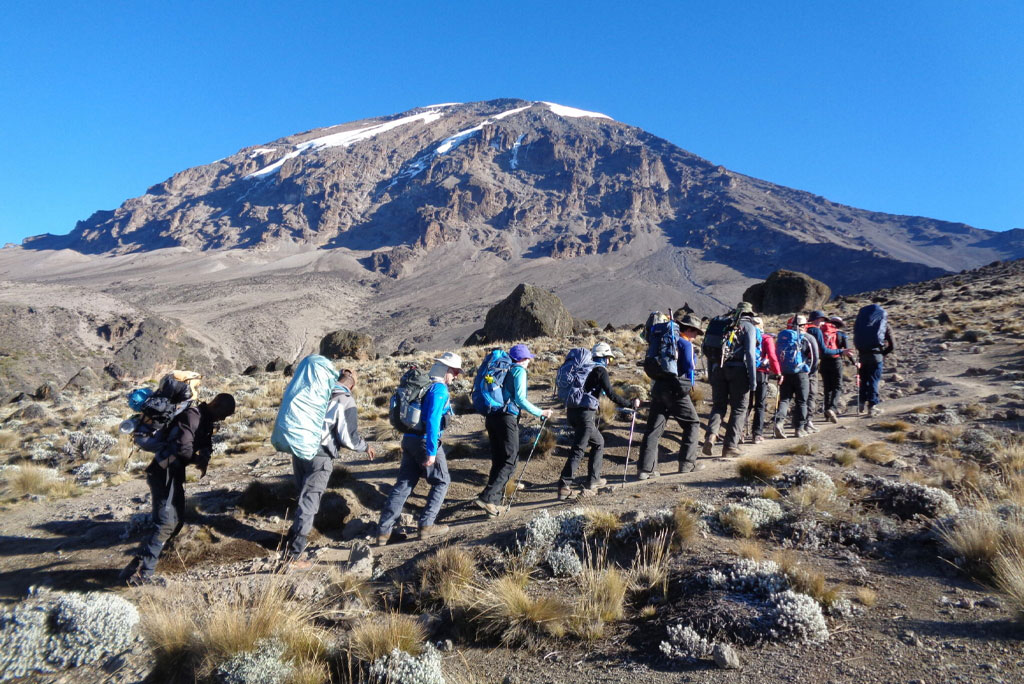
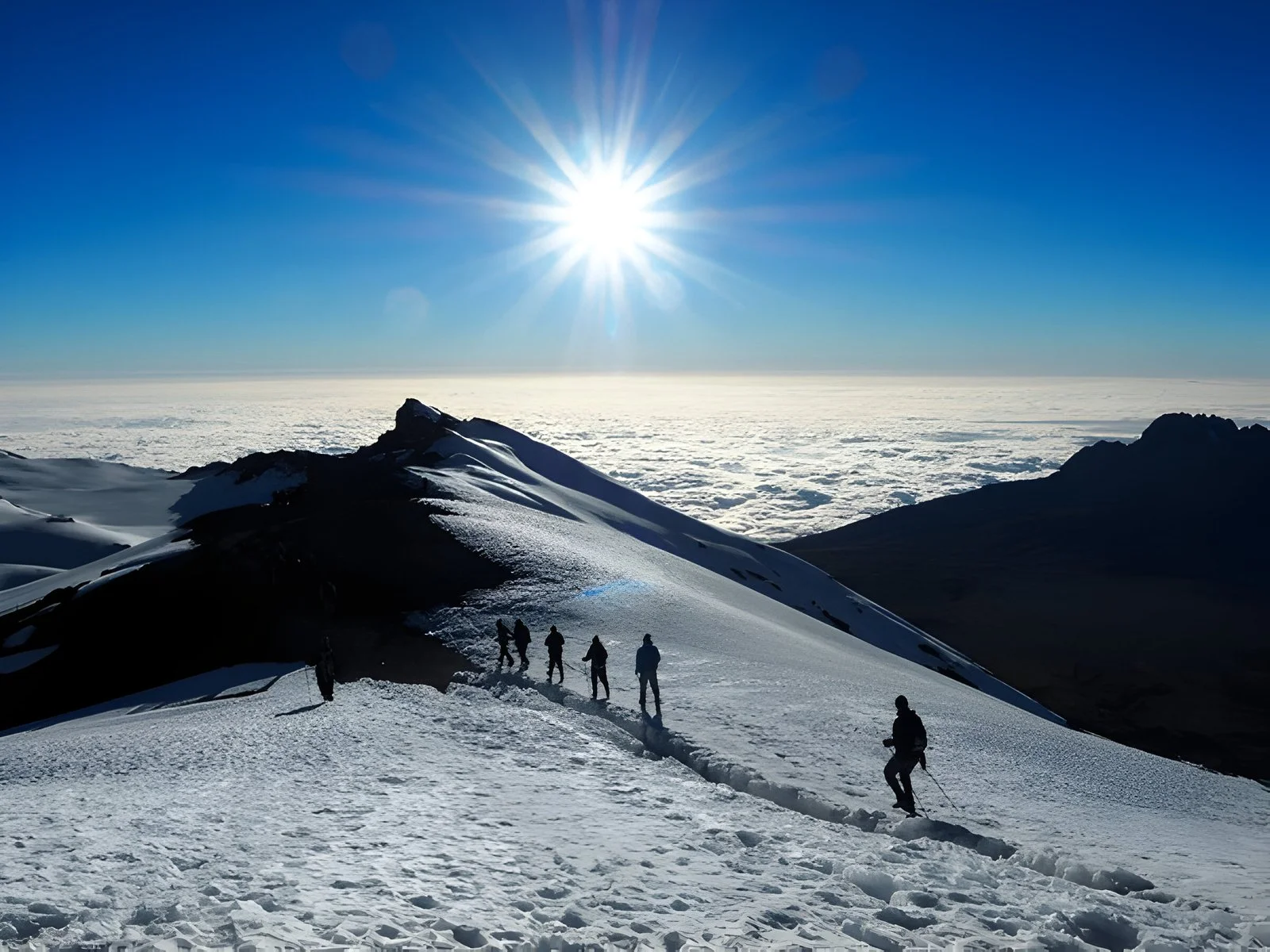
Climbing Mount Kilimanjaro requires both physical fitness and strong mental preparation. The trek is rated strenuous, so hikers should be in good shape and ideally have experience with multi-day hikes on varied terrain. Most trekking days involve five to seven hours of steady walking at altitude, while summit day can last 15–18 hours, making it especially demanding. High altitude adds difficulty, even for very fit individuals, and many climbers experience mild acute mountain sickness during summit night. Preparing at least two months in advance with consistent training helps build the endurance, resilience, and confidence needed for a successful climb.

Planning your training

If you’re not exercising regularly and plan to climb Mount Kilimanjaro, it’s important to begin training several months in advance. Start gradually and build up your fitness over time to avoid injury and ensure you can enjoy the trek without overexerting yourself. Aim to train two to three times per week for 30–40 minutes, focusing on endurance, cardiovascular fitness, and strength. Consistent preparation will greatly benefit you on the mountain—especially on summit night, when physical and mental stamina are needed most.

Acclimatisation

When arriving at camp on Mount Kilimanjaro, avoid sleeping immediately—take a short walk to help your body adjust to the altitude. Proper acclimatization is crucial for a safe and successful climb. On the Machame Route, climbers ascend to Lava Tower (4,630m) from Shira Camp (3,800m), rest, and allow their bodies to adapt. Mild altitude symptoms such as headaches or fatigue may occur. The key strategy is “climb high, sleep low,” descending afterward to Barranco Camp (3,950m) to support better acclimatization and reduce altitude-related risks.

Hydration and nutrition

Proper nutrition and hydration are essential when climbing Mount Kilimanjaro. Your body needs enough fuel and fluids to sustain energy levels throughout long trekking days. Aim to drink at least three liters of water daily to support acclimatization and prevent dehydration. Meals on the mountain are well-prepared and plentiful, so eat whenever you have an appetite to maintain strength. Carry snacks and eat small amounts regularly during the hike to avoid fatigue. Staying consistently nourished and hydrated plays a key role in keeping your energy steady and supporting a successful summit attempt. 

Need Help Choosing the Perfect Tour?
Let’s Guide You.

Chat online

Chat with our team for quick answers, expert advice, and personalized support – we’re here to help!

Schedule a call

Schedule a call with our team for personalized travel planning and expert guidance at your convenience.

Call us

Call us for quick assistance, expert advice, or to start planning your unforgettable Tanzania adventure.

What Our Guests Say

Memories Shared by Those Who Lived Them