Tanzania is a vibrant mosaic of cultures, traditions, and flavors. From its tantalizing cuisine and melodic Kiswahili language to its mesmerizing art, soul-stirring music, and unique modes of transportation, every aspect of Tanzania offers a story worth discovering.
A Culinary Delight Tanzanian cuisine is a celebration of simplicity and flavour, with dishes that tell stories of shared meals, community, and love for local ingredients.
Makande This hearty dish of maize and beans is a staple across Tanzania, representing comfort and nourishment. Slowly cooked with coconut milk and spices, Makande is a meal that feels like home.
Chipsi Mayai A quintessential street food, Chipsi Mayai (French fries in an omelette) is loved by Tanzanians of all ages. Add a splash of spicy tomato sauce, and you have the perfect quick meal!
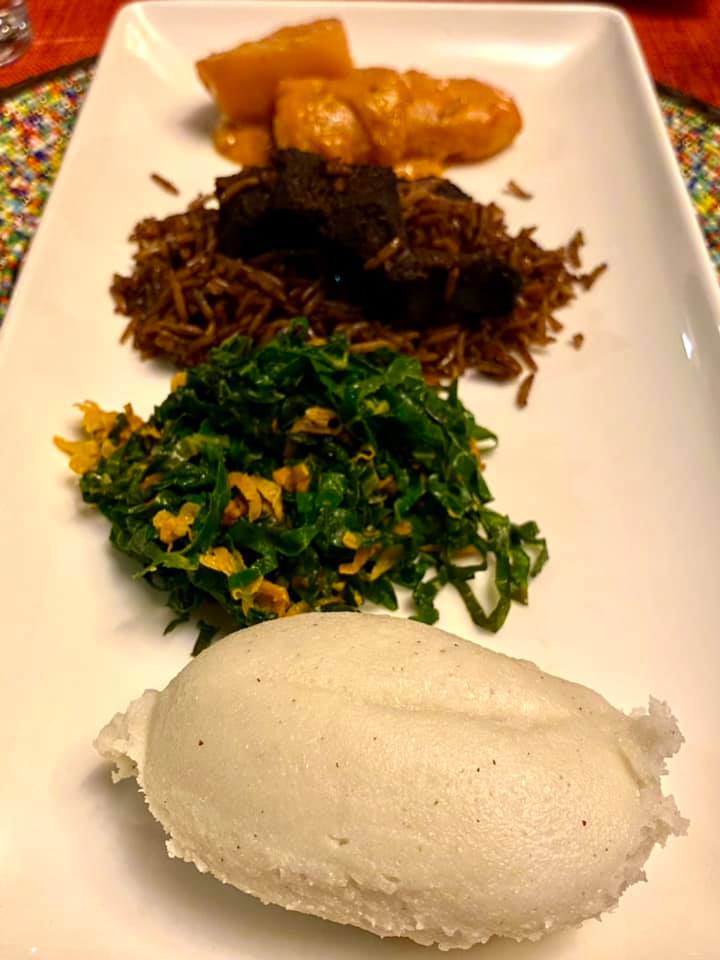
Ugali No Tanzanian meal feels complete without Ugali, the soft, doughy side dish that pairs beautifully with meat, fish, or vegetable stews.
Pilau from the spice island of Zanzibar comes Pilau, a fragrant rice dish infused with cinnamon, cloves, and cardamom. Often served with meat or seafood, Pilau is a festive treat that tantalizes the taste buds.
Mshikaki Tanzania’s answer to kebabs, Mshikaki are skewers of marinated and grilled meat, often enjoyed at roadside stalls or during evening gatherings.
Mchuzi wa Samaki A flavourful fish stew cooked with coconut milk, tomatoes, and spices, Mchuzi wa Samaki is a must-try for seafood lovers.
These are just a few highlights, but Tanzanian cuisine has many more dishes to explore, each with its unique flavour and story.
Speak Like a Local
Swahili Phrases to Warm the Heart Kiswahili is more than a language in Tanzania—it’s a rhythm of life. Learning a few phrases can enrich your experience and bring smiles to the locals you meet:
“Hakuna Matata” (No worries): Made famous by The Lion King, it captures the relaxed Tanzanian spirit.
“Asante” (Thank you): A word to express gratitude.
“Kwaheri” (Goodbye): A polite way to bid farewell.
“Mambo” (How are things?): A casual way to greet someone.
“Poa” (Cool): The common response to “Mambo”.
A Canvas of Creativity
Makonde Carvings and Tinga Tinga Paintings Tanzanian art is as colorful and diverse as its people:
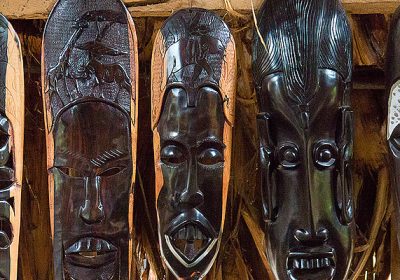
Makonde Carvings Originating from the Makonde people, these intricate wooden carvings often depict themes of family, mythology, and daily life. Ebony wood is a favorite medium, and the carvings are prized for their detail and storytelling. They are also deeply tied to cultural rituals and heritage.
Tinga Tinga Paintings Bright, whimsical, and unmistakably African, Tinga Tinga paintings originated in Tanzania and have become a global phenomenon. Named after their creator, Edward Saidi Tingatinga, these paintings often feature vibrant depictions of animals and village life, making them both delightful souvenirs and windows into Tanzanian culture.
Whether as souvenirs or gallery pieces, these artworks connect visitors to the soul of Tanzania.
The Soul of Tanzania
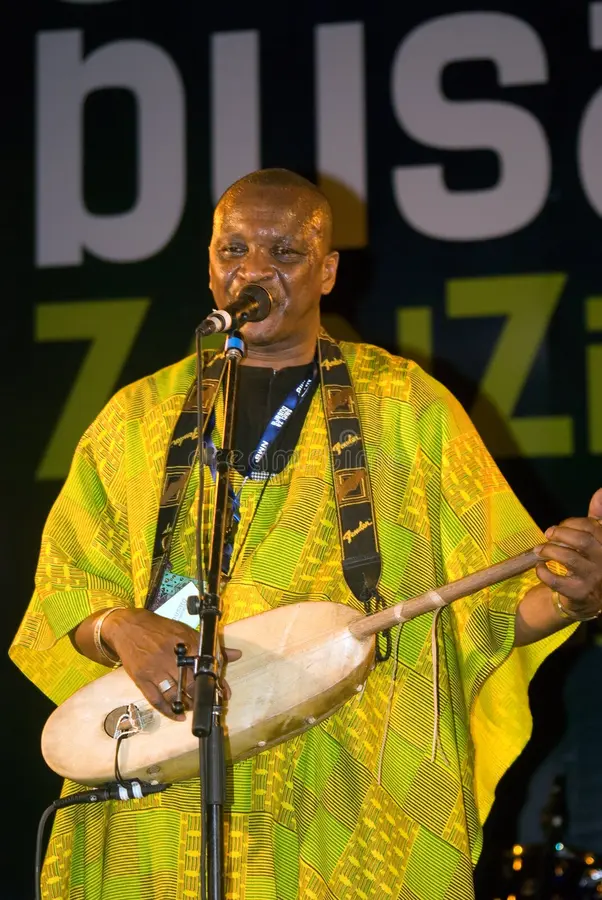
Music and Dance Music in Tanzania is a way of life, weaving together traditional rhythms and modern beats.
Bongo Flava: The contemporary sound of Tanzania, blending hip-hop, R&B, and traditional music. Artists like Diamond Platnumz and Ali Kiba dominate the scene.
Ngoma Drums: Traditional drumming, often accompanied by energetic dances, is a cornerstone of cultural celebrations.
Taarab: With roots in Zanzibar, this genre mixes Swahili poetry, Arabic melodies, and Indian harmonies, creating a sound that’s both soothing and rich.
Sengeli: A lively and energetic dance music genre that adds vibrancy to Tanzanian celebrations.
Traditional Dances: Each Tanzanian tribe has its unique dance style, from the energetic Maasai jumping to the Sukuma tribe’s snake dances.
Exploring Tanzania
Famous Modes of Transportation in Tanzania is more than just getting from one place to another—it’s an integral part of daily life and a glimpse into the country’s culture:
Boda Boda (Motorbikes) Quick and convenient, boda bodas are a favorite mode of transport in both urban and rural areas. They weave through traffic and provide an exhilarating way to experience the streets of Tanzania.
Bajaji (Three-Wheelers) These colorful three-wheelers are common in cities and towns, offering a fun and affordable way to get around while soaking in the local vibe.
Daladala (Minibuses) The quintessential public transport of Tanzania, daladalas are minibuses that connect towns and cities. They’re an adventure in themselves, often lively with music and conversation. Fun facts about daladalas: Passengers pay their fare (known as “nauli”) to the conductor, or “kondakta,” and they can get incredibly full, making for a truly immersive local experience.
Discover Tanzania Through Food, Words, Art, Music, and Transport Tanzania’s cuisine, language, art, music, and transportation are not just cultural elements; they’re invitations to immerse yourself in the rhythm of life here.
So next time you visit Tanzania, don’t just witness its natural beauty—taste its food, speak its language, admire its art, dance to its music, and ride its iconic transports. Karibu Tanzania!
Why Us?
24-hour Support
Our team is always available before and during your trip to ensure everything runs smoothly.
Trusted & Reliable
With positive guest reviews and years of experience, we deliver seamless, memorable journeys.
Flexible Itineraries
Adjust your schedule, duration, or experiences to fit your preferences
Experienced Guides
Our professional guides have deep knowledge of wildlife, culture, and landscapes.
A Dream Safari Experience – Perfect from Start to Finish
We just returned from the most unforgettable 3-day safari with African Reflections, and we honestly couldn’t have asked for a better experience. From the moment we were picked up to the final goodbye, everything was seamless, exciting, and incredibly special.Our guide, Richy, was the heart and soul of our trip. His passion for wildlife and the land is truly inspiring. He’s not only incredibly knowledgeable (we learned so much from him!) but also professional, kind, and made us feel like part of the family from the get-go. His eye for spotting animals was amazing — we saw everything we hoped for and more!The lodges we stayed in were absolutely stunning — far beyond our expectations. Each one felt luxurious and intimate, perfect for our honeymoon. It felt like every detail had been thoughtfully considered to make our stay extra special.Richy went above and beyond in ways we’ll never forget — surprising us with a birthday cake for my husband and arranging romantic honeymoon touches that made us feel so valued and celebrated. It’s those little personal touches that set African Reflections apart.If you’re considering a safari in Tanzania, look no further. This was the trip of a lifetime and we can’t recommend African Reflections — and Richy — highly enough. Thank you for making our honeymoon truly magical!
Posted on
alaa b
10 May 2025
Verified
Incredible safari journey! The best experience we ever had.
I've been in many places, with many different guides, and Rich from African Reflection Tours is a different league. Me and my son (18), spent with Rich 8 days in a safari journey (aka game driving - looking for the wild animals). Rich is a real professional, knows all roads and places by heart, took us to extremely special spots, arranged all lodges for us, came with a clean jeep and a professional uniform every day, surprised us with field tasty lunches, was attentive to our needs and requirement. And most importantly, did it all in a friendly and caring manner, always smiling. This is the best experience we ever had, and by far! We saw so many new exciting cultures, and many wild animals. Rich becmae a friend of ours. We will keep in touch. And if it wasn't clear so far - we highly recommend on Rich. Dear Rich - asante sana from both of us on an incredible experience we will always remember.
Posted on
ESH
14 February 2025
Verified
Another Awesome Safari
Asante sana Richard for our second awesome safari and birding adventure with you. We had such a great birding and gaming safari experience with you last year that we had to do it again. Richard, was professional, friendly and attentive to what we wanted to see and learn from our safari. We noted that every day, Richard was punctual, professionally dressed , arriving in a clean and tidy jeep. Our safari may have been bit of a detour from the proverbial tracking of the big 5. We are birders , so, with Richard’s ornithological expertise, we collaborated in finding the feathered “gems” along the safari trail, while also looking for animals. We encountered a Vitelline Masked Weaver starting his nest building duties from a tree branch, plucking reeds from below, bringing them to the branch, weaving them with his bill, shaping what would become a gourd type house around his body. We were able to identify 140 species of birds, thanks to Richard’s expertise. We both felt that our birding knowledge increased immensely from this trip. Thank you, Richard !Another highlight of our trip was witnessing a Wildebeest calving, “cheering on” the calf, wobbling his way into a new life. Can’t forget the lioness, who summoned her rambunctious cubs from the bushes, leading them across water, gently nudging them along or picking them up by the scuffs of their necks- with utmost patience. What a mom !WE WILL BE BACK !!!
Posted on
Burnzi
23 May 2024
Verified
They're awesome!
Richard was amazing and we'd totally recommend him and the company to anyone! We're already trying to plan our next trip!
Posted on
Mobile42104011258
23 March 2024
Verified
An Unforgettable Honeymoon
Life-changing. Unforgettable. I simply can't say enough. My wife and I chose to fulfill a lifelong dream of going on an African Safari for our honeymoon and all our expectations and hopes were not only met but far exceeded. We originally had looked into using a Western tour company, however were advised by friends to work with locals as to better support the domestic economy- and we were so happy with our decision.From the moment we began booking- the process was easy, informative, and very secure. We were guided towards a tour, region and amount of time that best suited our interests and budget, and were provided a level of familiarity with the country that the non-Tanzanian companies we spoke to simply did not have.Then when we finally arrived- that's where the fun really began. We could not have asked for a better time in Tanzania, and it was all due to the wonderful and thoughtful hard work put in by our guide Richard. He took great care of us from the moment we met, and made sure that our every need, wish and interest were addressed. Richard is so clearly passionate about wildlife and what he does- and because of his expertise and knowledge we were able to see all of the Big 5, the Great Migration Wildebeest crossing across the Mara river, as well as tons of other animals moving about in their natural habitat. Richard always seemed to know exactly where to go, and could answer any question we had both about the animals as well as the local culture. Furthermore he made sure we were comfortable and happy as we celebrated our honeymoon- and most importantly he was personable, friendly and deeply kind. In the end, we felt that not only did we experience an unforgettable vacation, but that we also left with a dear new friend.So thank you so much Richard for one of the most incredible trips of our lives! If anyone is considering a Tanzanian Safari- Richard is the one!
Posted on
Michael L
12 December 2023
Verified
Incredible Honeymoon Experience
We did a safari tour with Richard in September 2023 for our honeymoon. It was such an incredible experience made even more special by Richard’s care to detail and passion for the animals. Every day we saw so many different birds, animals and reptiles. Richard had so much knowledge on every single one. He made us feel so comfortable and was so kind to us. Highly recommend his tour and getting to see the beautiful Tanzania!
Posted on
Aubrey
4 December 2023
Verified
Highest recommendation possible for Rich at African Reflection Tours. You will have an incredible safari.
This Fantastic safari guide makes all the difference. Rich shares his knowledge and experience from dawn til dusk. He knows and respects all the animals and their ecosystems. Rich makes the trip very exciting, while he is safe and knows all the trails, and backroads to ensure you are able to see every animal. Rich is very organized and dedicated to making sure every detail is covered so you have a wonderful safari.
Posted on
shauna j
5 April 2021
Verified
Best trip of my life
We had the time of our lives. It was such a beautiful experience my family and I will never forget! Thanks to our guide we learned so much and also we gained a family friend. I would recomend this company and experience to everyone! 😍
Posted on
Helena E
5 April 2021
Verified
Safari
We have done 8 days safari with Rich and had the best time!. Everything was super organised, he has a lot of knowledge about the animals, the food was great and he took care of everything we needed. Very recommended!!
Posted on
Or S
28 March 2021
Verified
The best safari time
Rich is the perfect guide ! He has a lot of knoledge about animals, his an expert ! Very good driver he knows all the roeds, drive carfully ! His funny, happy alaways smile and alaways in good vibe ! His the best !