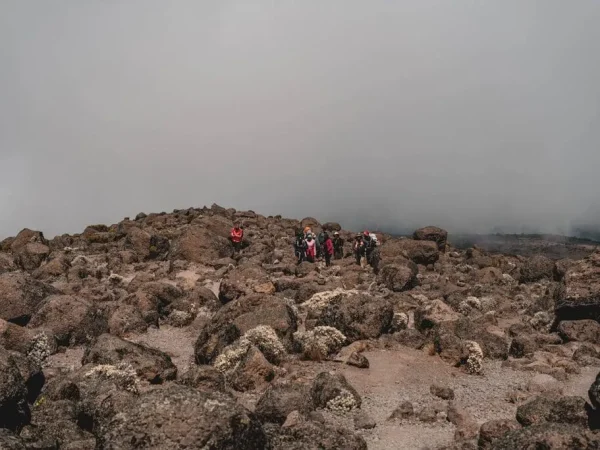
8 Day Trekking Kilimanjaro – Lemosho Route

Loading available options...

Overview

  • Duration:9 days 8 nights
  • Tour Type:Daily tour
  • Language:English, French, German, Italian
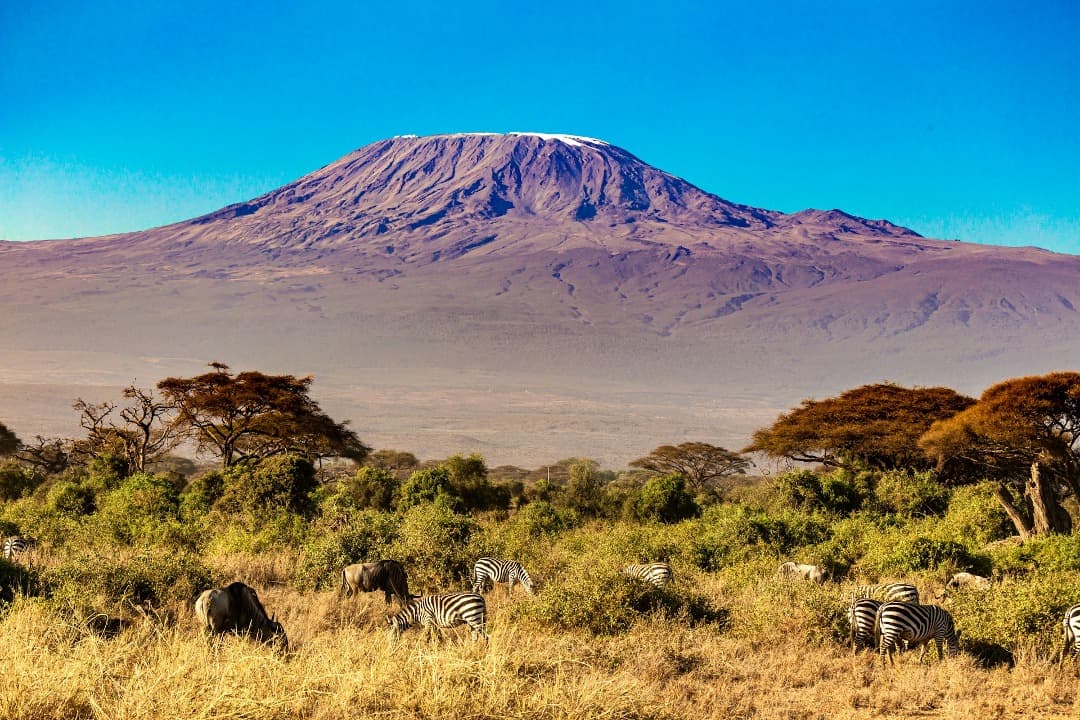
The 8-day Lemosho Route is widely considered the best route on Mount Kilimanjaro due to its outstanding scenery, low traffic, and excellent acclimatization profile. Beginning on the remote western side of the mountain, the route crosses lush rainforest, vast moorlands, and dramatic alpine landscapes before joining the southern circuit toward the summit. The additional day significantly increases summit success rates and allows for a safer, more enjoyable ascent.
Read more

Highlights

  • Remote western approach with minimal crowds
  • Gradual altitude gain for optimal acclimatization
  • Crossing the scenic Shira Plateau
  • Acclimatization hike to Lava Tower (4,630 m)
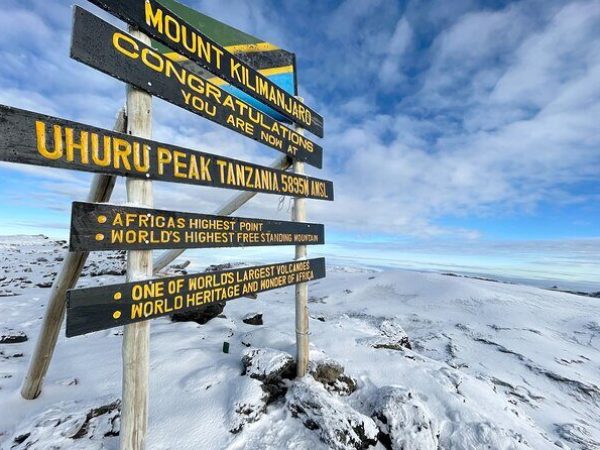
  • Summit via Stella Point to Uhuru Peak (5,895 m)
  • High success rate due to extended itinerary

Includes/Excludes

  • All Kilimanjaro National Park fees
  • Professional mountain guides, porters, and cook
  • Private trek (unless stated otherwise)
  • All meals on the mountain
  • Quality camping equipment (tents, sleeping mats, dining tent)
  • Rescue fees and park taxes
  • Daily health monitoring (oxygen level & pulse checks)
  • Transfer to and from Kilimanjaro Gate
  • Fair wages for mountain crew
  • International and domestic flights
  • Visa fees
  • Travel insurance (mandatory)
  • Personal trekking gear (sleeping bags, boots, clothing)
  • Tips for guides and porters
  • Personal expenses (laundry, phone calls, drinks)
  • Extra hotel nights before or after the trek

Day to Day Section

Expand all

Day 1: Lemosho Gate → Big Tree Camp

Altitude: 2,100 m → 2,780 m
Distance: ~6 km | Hiking Time: 3–4 hours

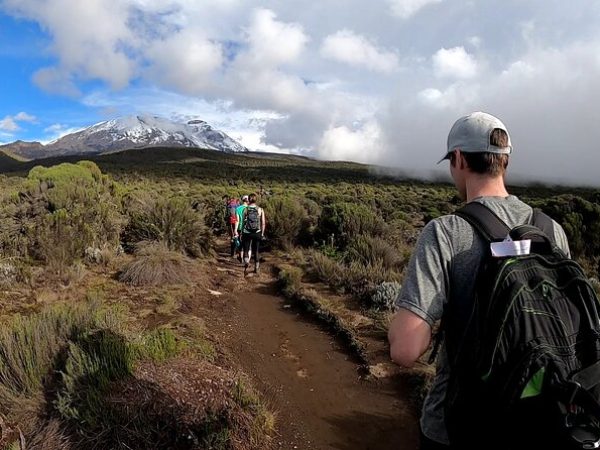
After registration at Lemosho Gate, the trek begins through pristine rainforest. The trail is rich in vegetation, and sightings of black-and-white colobus monkeys are common. The day is short and gentle, allowing the body to begin adjusting to altitude. Overnight at Big Tree Camp.

Day 2: Big Tree Camp → Shira 1 Camp

Altitude: 2,780 m → 3,500 m
Distance: ~8 km | Hiking Time: 5–6 hours

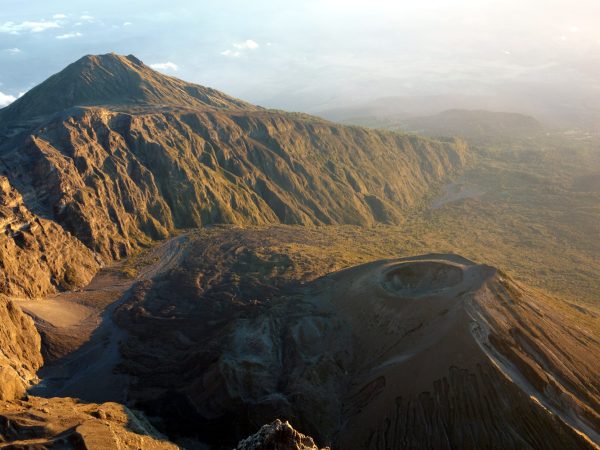
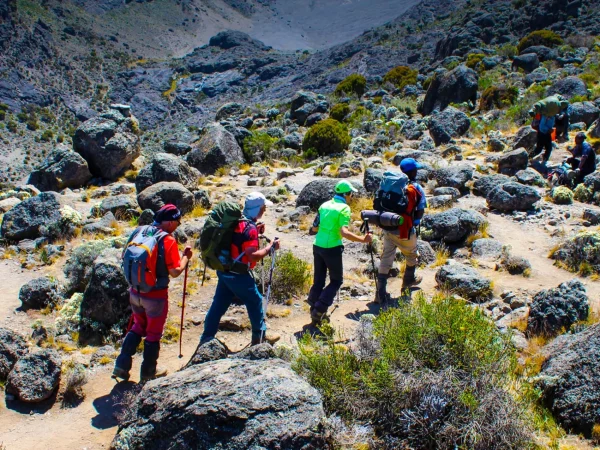
The forest gradually thins as you climb into heath and moorland zones. The terrain opens up, revealing wide views of the Shira Plateau and Mount Meru in the distance. Overnight at Shira 1 Camp.

Day 3: Shira 1 Camp → Shira 2 Camp

Altitude: 3,500 m → 3,850 m
Distance: ~7 km | Hiking Time: 4–5 hours

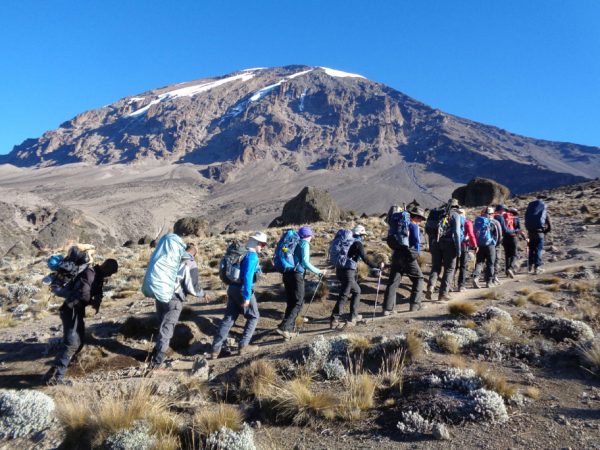
A relaxed acclimatization day crossing the Shira Plateau. The trail is relatively flat, allowing the body to adjust to the increased altitude while enjoying panoramic views of Kibo Peak. Overnight at Shira 2 Camp.

Day 4: Shira 2 Camp → Lava Tower → Barranco Camp

Altitude: 3,850 m → 4,630 m → 3,960 m
Distance: ~10 km | Hiking Time: 6–8 hours

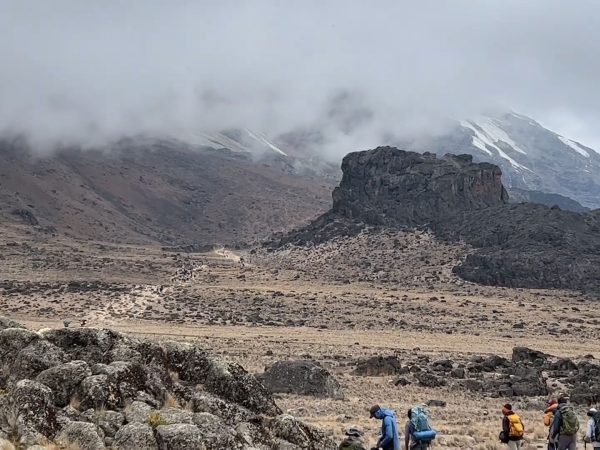
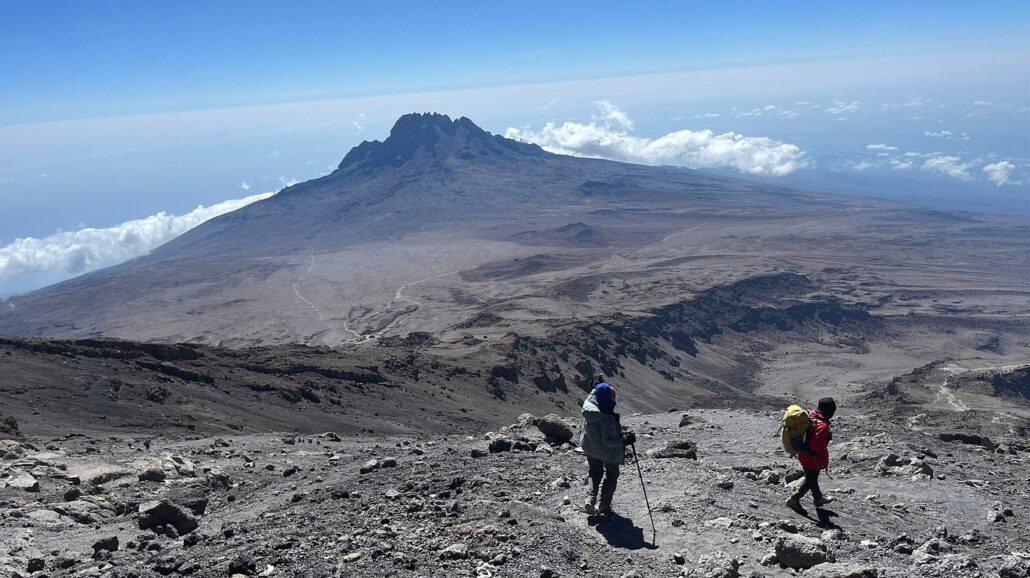
A crucial acclimatization day. You hike steadily to Lava Tower before descending to Barranco Camp. This “climb high, sleep low” approach significantly improves acclimatization and summit success. The Barranco Valley offers dramatic views of the Western Breach and glaciers.

Day 5: Barranco Camp → Karanga Camp

Altitude: 3,960 m → 4,035 m
Distance: ~5 km | Hiking Time: 4–5 hours

Start the day by climbing the famous Barranco Wall, a fun and non-technical scramble. The route then continues across alpine ridges and valleys toward Karanga Camp. The shorter hiking day allows for rest and further acclimatization.

Day 6: Karanga Camp → Barafu Camp

Altitude: 4,035 m → 4,640 m
Distance: ~4 km | Hiking Time: 3–4 hours

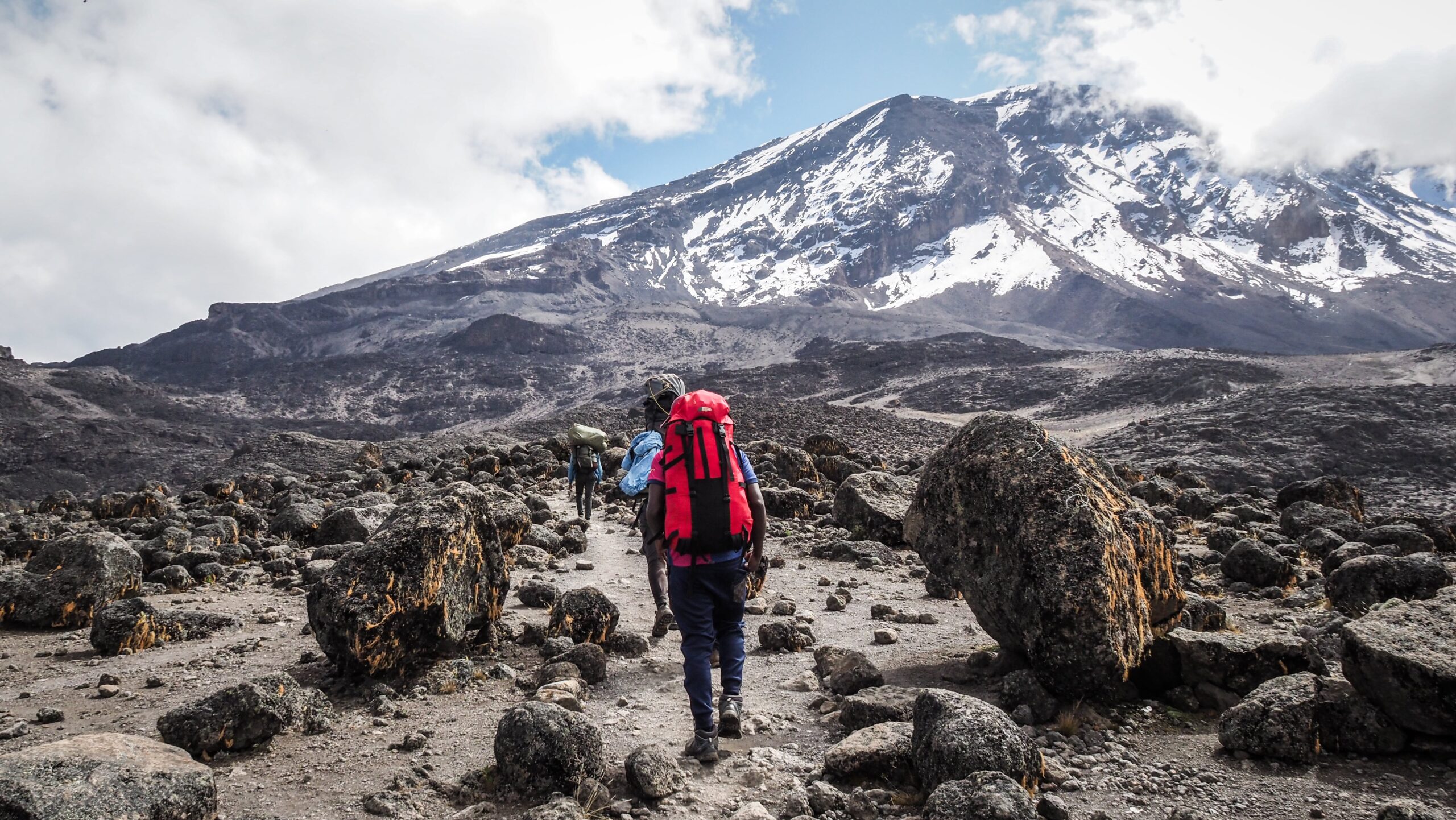
A steady climb through barren alpine desert terrain leads to Barafu Camp, the final base before the summit attempt. After an early dinner, rest and prepare for the midnight ascent.

Day 7: Barafu Camp → Uhuru Peak → Mweka Camp

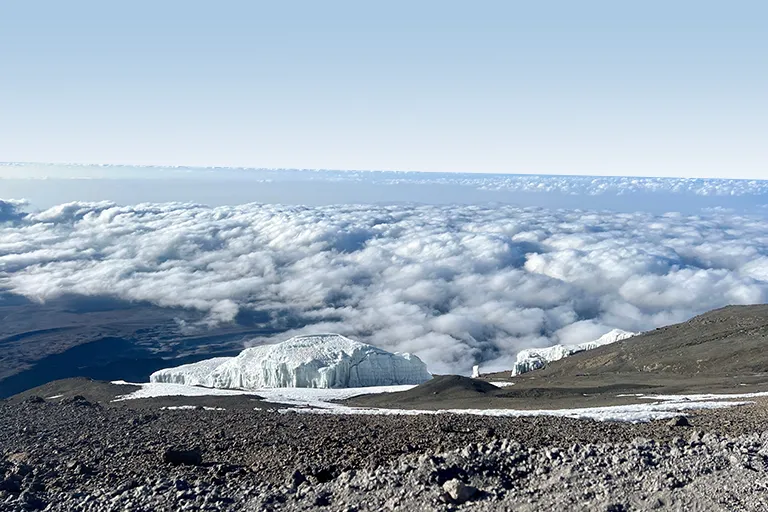
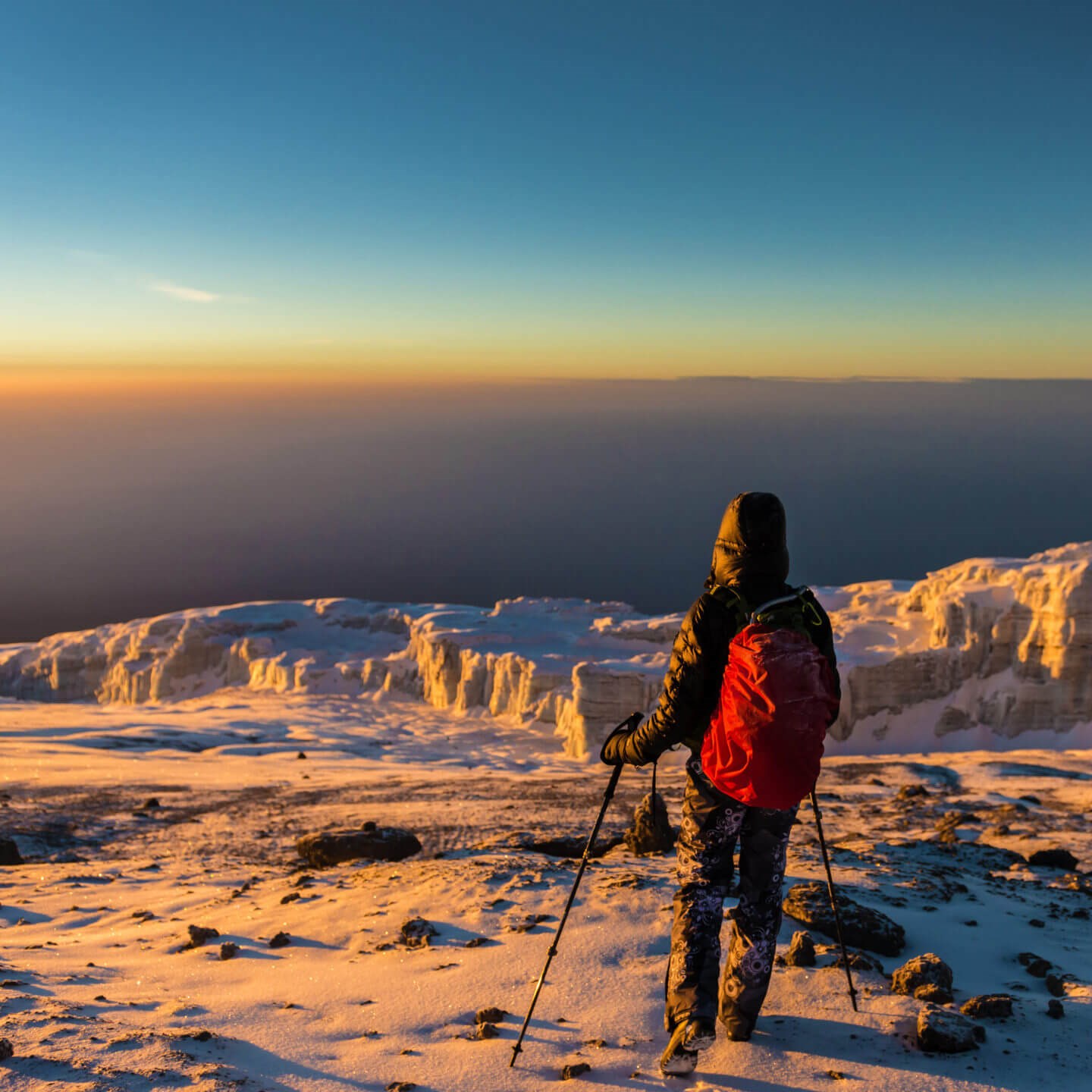
Summit day begins shortly after midnight. The ascent to Stella Point is slow and steady, followed by a final traverse to Uhuru Peak, the highest point in Africa. After celebrating at the summit, descend carefully to Mweka Camp for overnight rest.

Day 8: Mweka Camp → Mweka Gate

Altitude: 3,100 m → 1,640 m
Distance: ~10 km | Hiking Time: 3–4 hours

A scenic descent through rainforest leads to Mweka Gate, where summit certificates are issued. You will then transfer back to your hotel for a well-earned celebration.

Frequently asked questions

Why choose the Lemosho Route?

The Lemosho Route offers the best combination of scenery, low traffic, and acclimatization, resulting in one of the highest summit success rates on Kilimanjaro.

Is the 8-day Lemosho Route better than the 7-day version?

Yes. The extra day allows for better acclimatization, making the climb safer and significantly increasing the chances of reaching the summit.

How difficult is the Lemosho Route?

The route is physically challenging but non-technical. No climbing experience is required, though good fitness and mental preparation are essential.

What is the success rate on this route?

The 8-day Lemosho Route has one of the highest success rates, typically 90% or more, due to its gradual ascent profile.

Do I need prior trekking or mountaineering experience?

No technical experience is required. However, prior hiking experience and regular physical training are strongly recommended.

What is the highest altitude reached?

The highest point is Uhuru Peak at 5,895 meters (19,341 feet), the highest point in Africa.

How do you manage altitude sickness?

We follow a “climb high, sleep low” approach, include acclimatization days, monitor climbers daily, and ensure a slow, steady pace.

What accommodation is provided on the mountain?

Accommodation is in high-quality mountain tents with sleeping tents and a separate dining tent for meals.

What meals are served during the trek?

Freshly prepared, nutritious meals are provided three times daily, designed to maintain energy and support acclimatization.

How cold does it get on the mountain?

Temperatures vary from warm at lower elevations to -10°C to -15°C at the summit, including wind chill.

What should I pack for the climb?

You will need layered clothing, warm summit gear, hiking boots, a sleeping bag rated to -10°C, and personal items. A full packing list is provided before the climb.

Is travel insurance required?

Yes. Comprehensive travel insurance covering high-altitude trekking up to 6,000 meters is mandatory.

When is the best time to climb via Lemosho Route?

The best months are January–March and June–October, offering stable weather and clear views.

Can this route be customized?

Yes. The itinerary can be customized for private groups, special dietary needs, or additional acclimatization days.

Extra Services

Airport Transfers

Airport Transfers

On-time pickups and drop-offs, comfortable vehicles, and excellent customer service.

$ 100/package
Photography

Photography

Capture your love story amidst the stunning backdrops of the African wilderness.

$ 300/package

Customer reviews

You might also like...