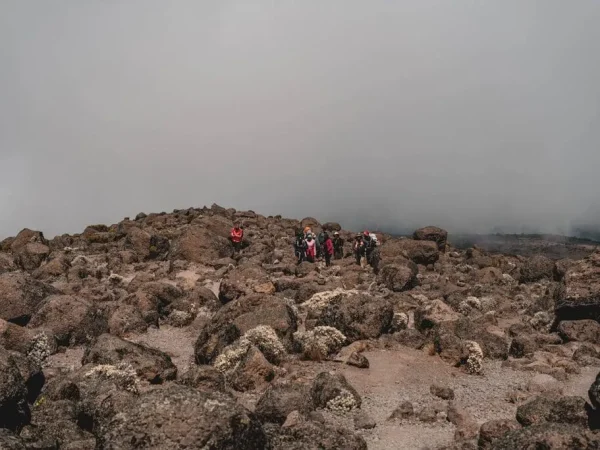
6 Day Trekking Kilimanjaro – Umbwe Route

Loading available options...

Overview

  • Duration:6 days 5 nights
  • Tour Type:Daily tour
  • Language:English, French, German, Italian

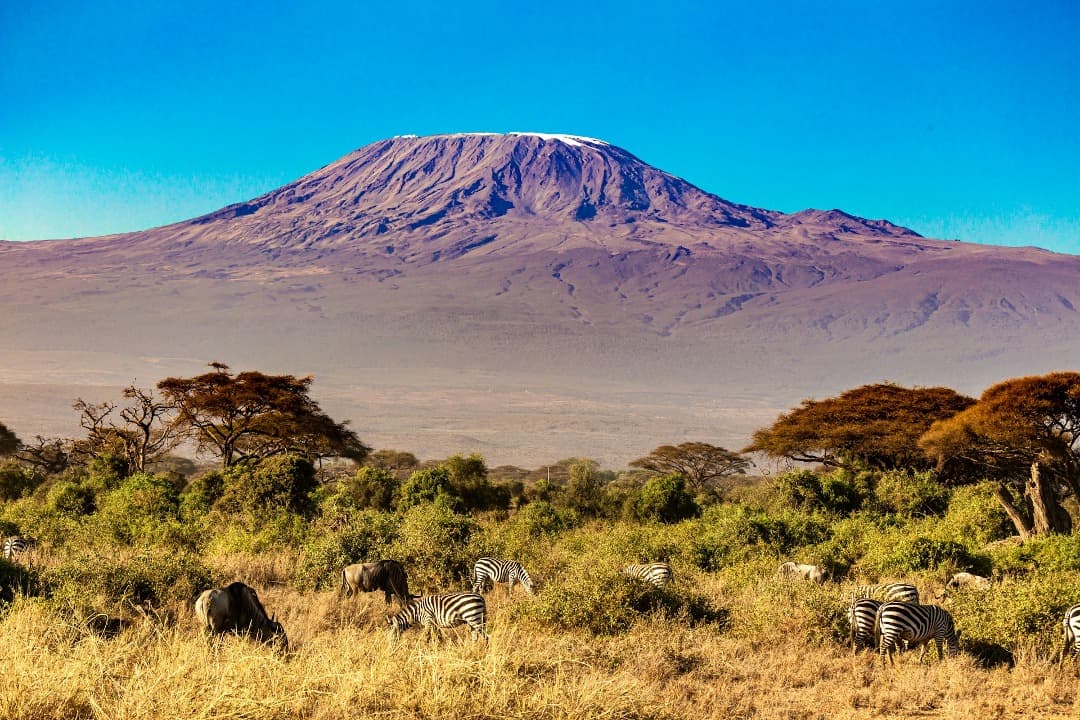
The Umbwe Route is the steepest and shortest of the main Kilimanjaro routes, starting on the southwest side of the mountain. Known for its challenging ascent and incredible scenery, it passes through dense rainforest, alpine desert, and glacial zones. This 6-day itinerary is ideal for fit trekkers seeking a more direct and adventurous route to Uhuru Peak while maintaining good acclimatization.

Read more

Highlights

  • One of the most challenging and scenic routes
  • Rapid ascent through lush rainforest to alpine desert
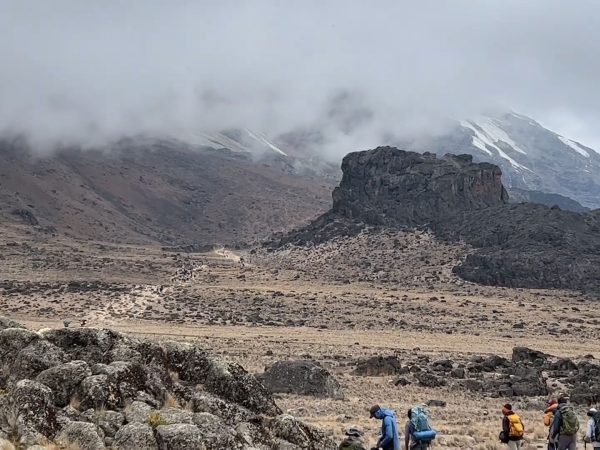
  • Cross the Shira Plateau and stunning Lava Tower
  • Climb the iconic Barranco Wall
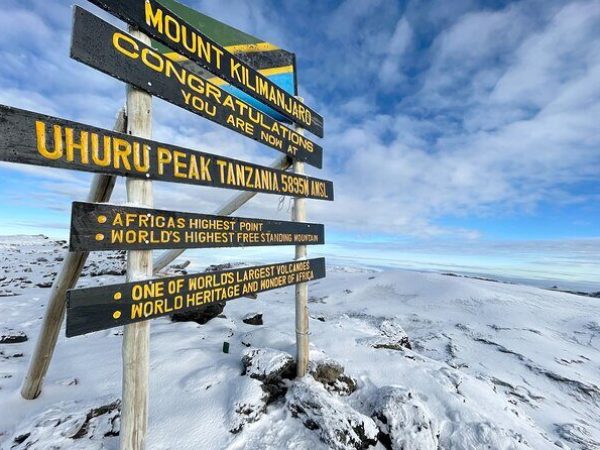
  • Summit Uhuru Peak (5,895 m) at sunrise
  • Experienced guides and well-trained porters for support
  • Spectacular sunrise and sunset views on the mountain

Includes/Excludes

  • All Kilimanjaro National Park fees
  • Professional mountain guides, porters, and cook
  • Private trek (unless stated otherwise)
  • All meals on the mountain
  • Tents, sleeping mats, and dining equipment
  • Rescue fees and park taxes
  • Daily health monitoring (oxygen level & pulse checks)
  • Transfer to and from Kilimanjaro Gate
  • Fair wages for mountain crew
  • International and domestic flights
  • Visa fees
  • Travel insurance (mandatory)
  • Personal trekking gear (sleeping bags, boots, clothing)
  • Tips for guides and porters
  • Personal expenses (laundry, phone calls, drinks)
  • Extra hotel nights before or after the trek

Day to Day Section

Expand all

Day 1: Umbwe Gate → Umbwe Cave Camp

Altitude: 1,800 m → 2,750 m
Hiking Time: 4–5 hours

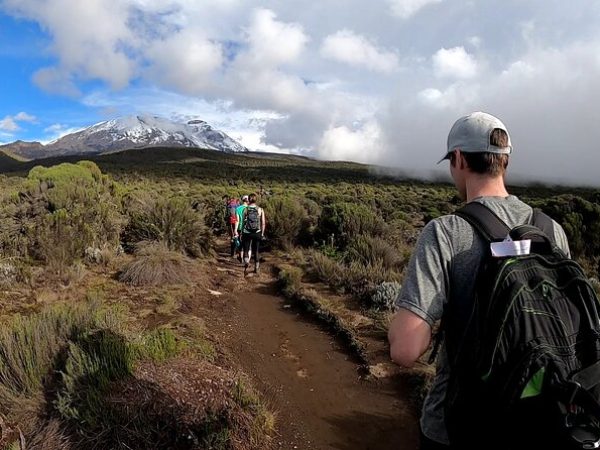
Start your adventure at Umbwe Gate, trekking through dense rainforest with the chance to see colobus monkeys and exotic birds. The path is steep but scenic, leading to Umbwe Cave Camp, a sheltered campsite nestled in the forest.

Day 2: Umbwe Cave → Barranco Camp

Altitude: 2,750 m → 3,960 m
Hiking Time: 6–7 hours

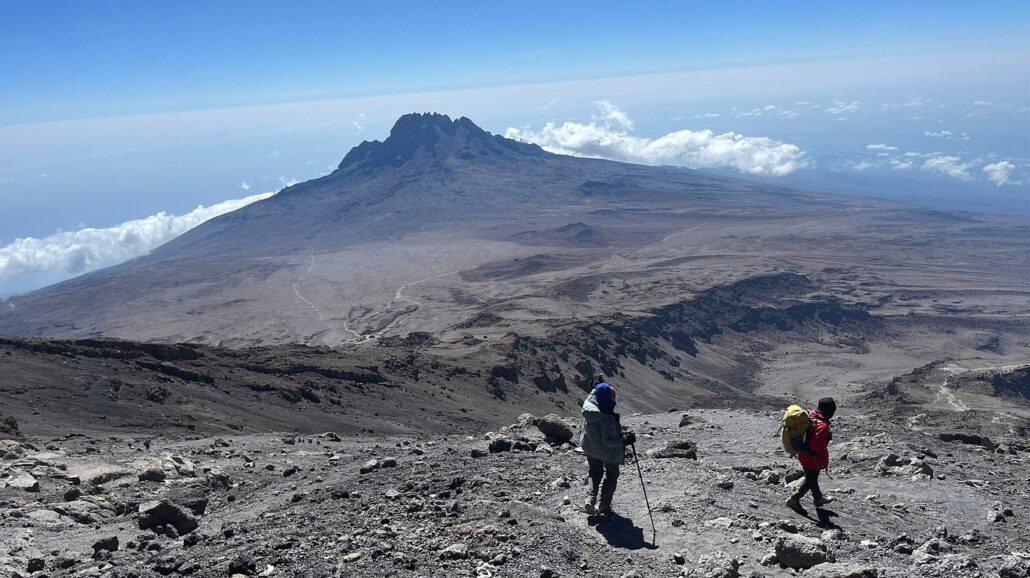
Leave the forest for moorland and rocky terrain. The trail becomes steeper as you approach the Barranco Wall, a non-technical but impressive rock climb. Overnight at Barranco Camp, with spectacular valley views.

Day 3: Barranco Camp → Karanga Camp

Altitude: 3,960 m → 4,035 m
Hiking Time: 4–5 hours

After climbing the Barranco Wall, continue across ridges and valleys to Karanga Camp. The moderate distance helps acclimatize before the final ascent to the summit.

Day 4: Karanga Camp → Barafu Camp

Altitude: 4,035 m → 4,640 m
Hiking Time: 3–4 hours

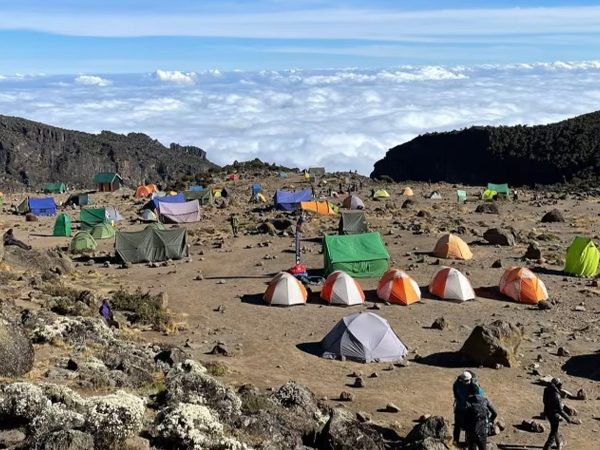
A short but steep trek to Barafu Camp, the base for the summit attempt. Spend the afternoon resting, hydrating, and preparing for the night ascent.

Day 5: Barafu Camp → Uhuru Peak → Mweka Camp

Altitude: 4,640 m → 5,895 m → 3,100 m
Hiking Time: 10–14 hours

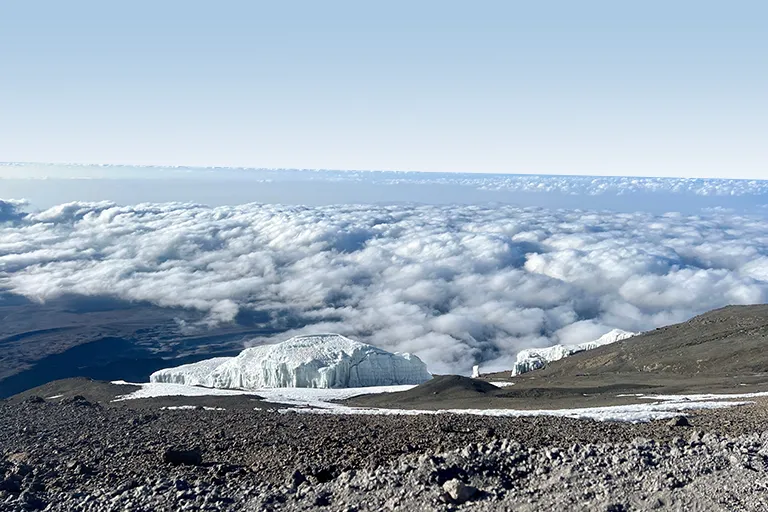
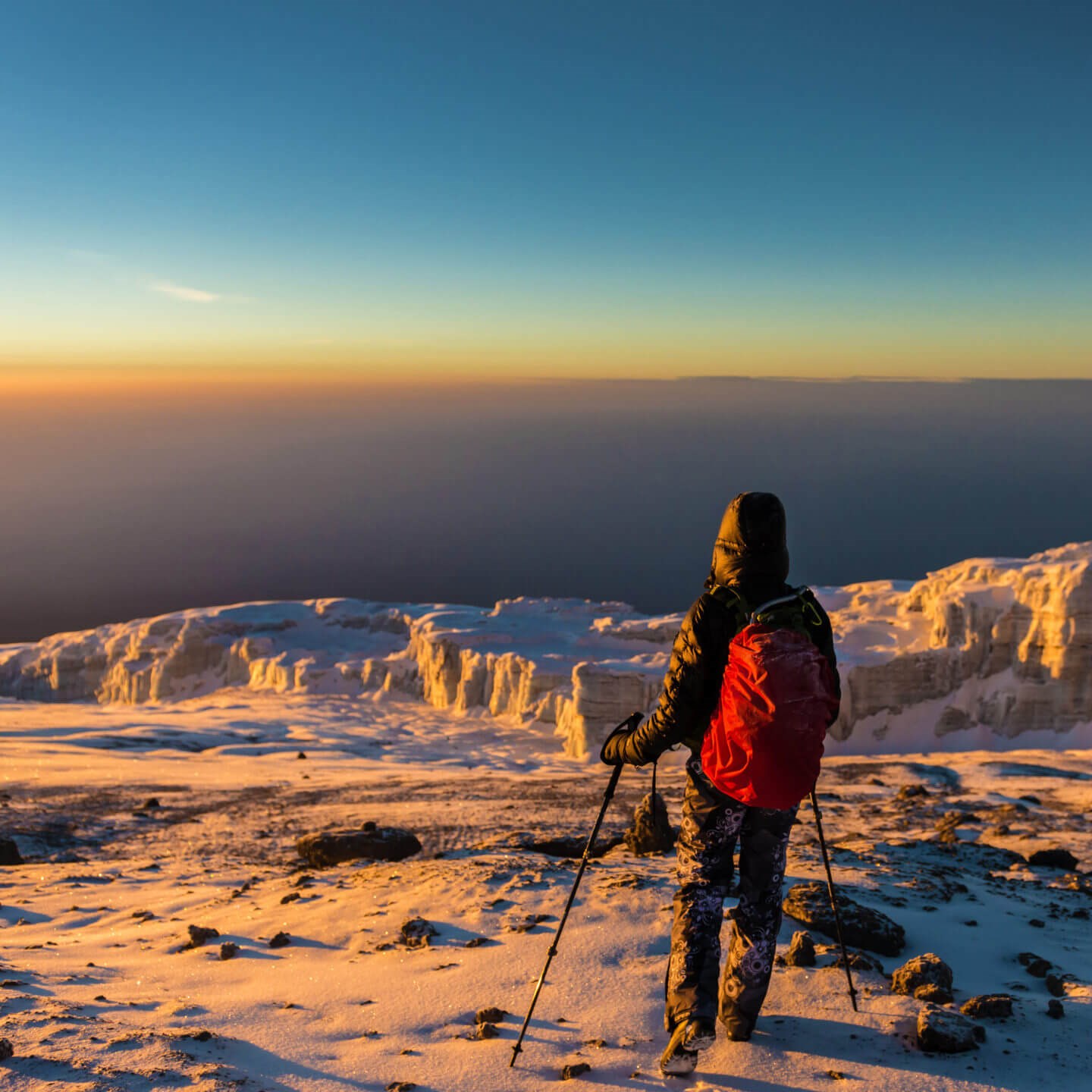
Begin your midnight ascent to reach Uhuru Peak at sunrise. Enjoy panoramic views and photo opportunities. After summit celebrations, descend to Mweka Camp for a well-deserved rest.

Day 6: Mweka Camp → Mweka Gate

Altitude: 3,100 m → 1,640 m
Hiking Time: 3–4 hours

Descend through the rainforest to Mweka Gate, where certificates are awarded. Transfer back to your hotel for showers and celebration.

Frequently asked questions

Is the Rongai Route suitable for beginners?

Yes, its gentle gradients make it suitable for first-time trekkers with good fitness.

Is 6 days enough for Rongai Route?

Yes, though a 7-day version offers better acclimatization and a higher success rate.

When is the best time to climb Rongai Route?

Ideal during April–May and November due to drier northern conditions.

How cold does it get during the climb?

Temperatures vary by altitude. At lower camps it is mild, while at the summit it can drop to –10°C to –20°C, especially at night.

Do I need prior trekking experience?

Previous trekking experience is helpful but not required. A good level of fitness and mental preparation are more important.

How is altitude sickness managed?

Our guides monitor climbers daily, encourage slow pacing, proper hydration, and conduct acclimatization hikes to reduce risks.

What meals are provided on the mountain?

All meals are freshly prepared by our mountain cook and include a mix of local and international dishes suitable for high-altitude trekking.

What equipment should I bring?

Essential items include warm clothing, hiking boots, sleeping bag, trekking poles, and personal gear. A full packing list is provided before the climb.

Are porters included?

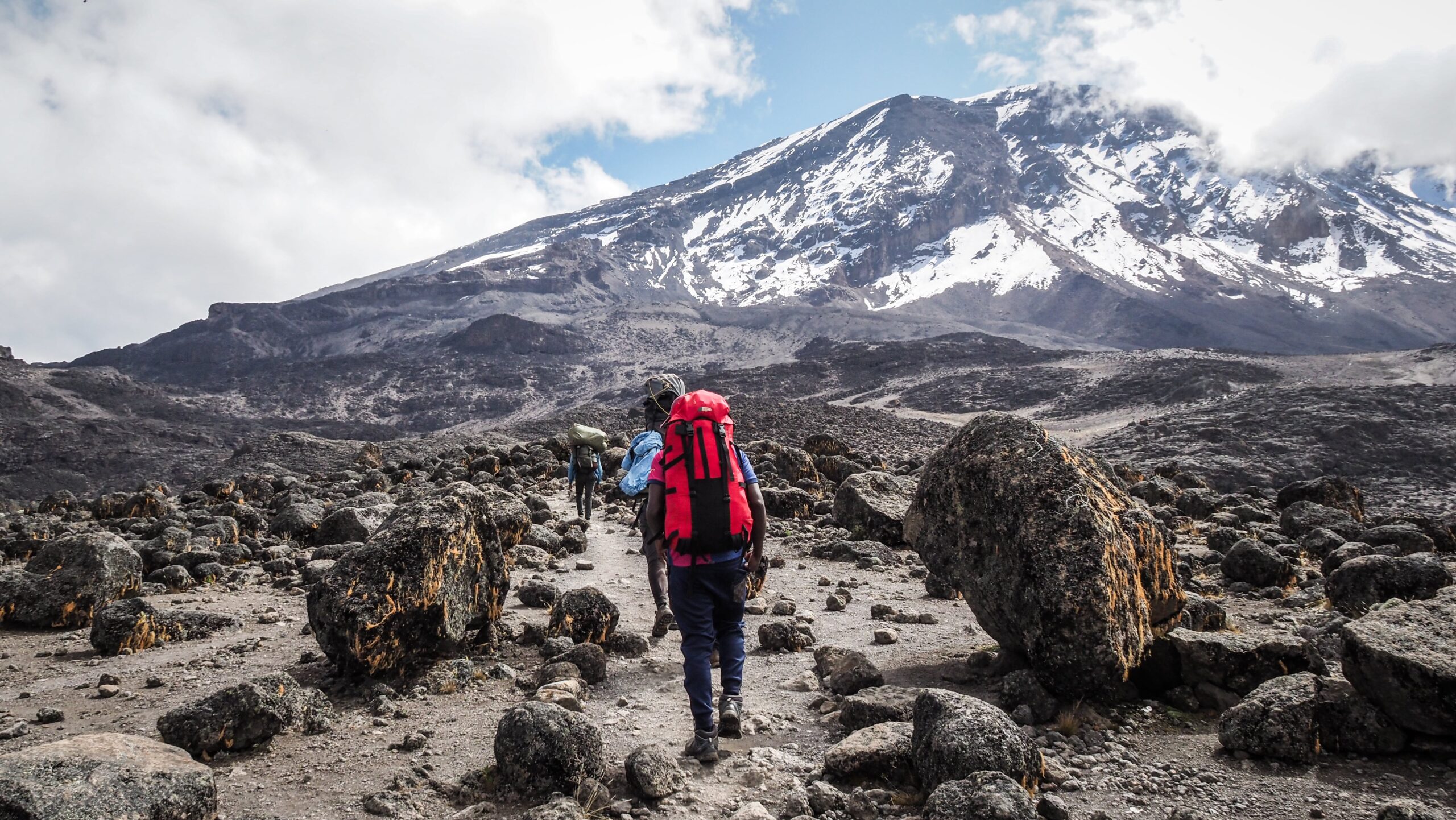
Yes. Porters carry the main luggage, while you hike with a day pack containing water, snacks, and personal essentials.

When is the best time to climb Kilimanjaro?

The best months are January–March and June–October, offering stable weather and good trail conditions.

Is travel insurance required?

Yes. Comprehensive travel insurance covering high-altitude trekking up to 6,000 meters is mandatory.

Do we see wildlife?

Occasionally, antelope or buffalo may be seen near the lower slopes.

Extra Services

Airport Transfers

Airport Transfers

On-time pickups and drop-offs, comfortable vehicles, and excellent customer service.

$ 100/package
Photography

Photography

Capture your love story amidst the stunning backdrops of the African wilderness.

$ 300/package

Customer reviews

You might also like...